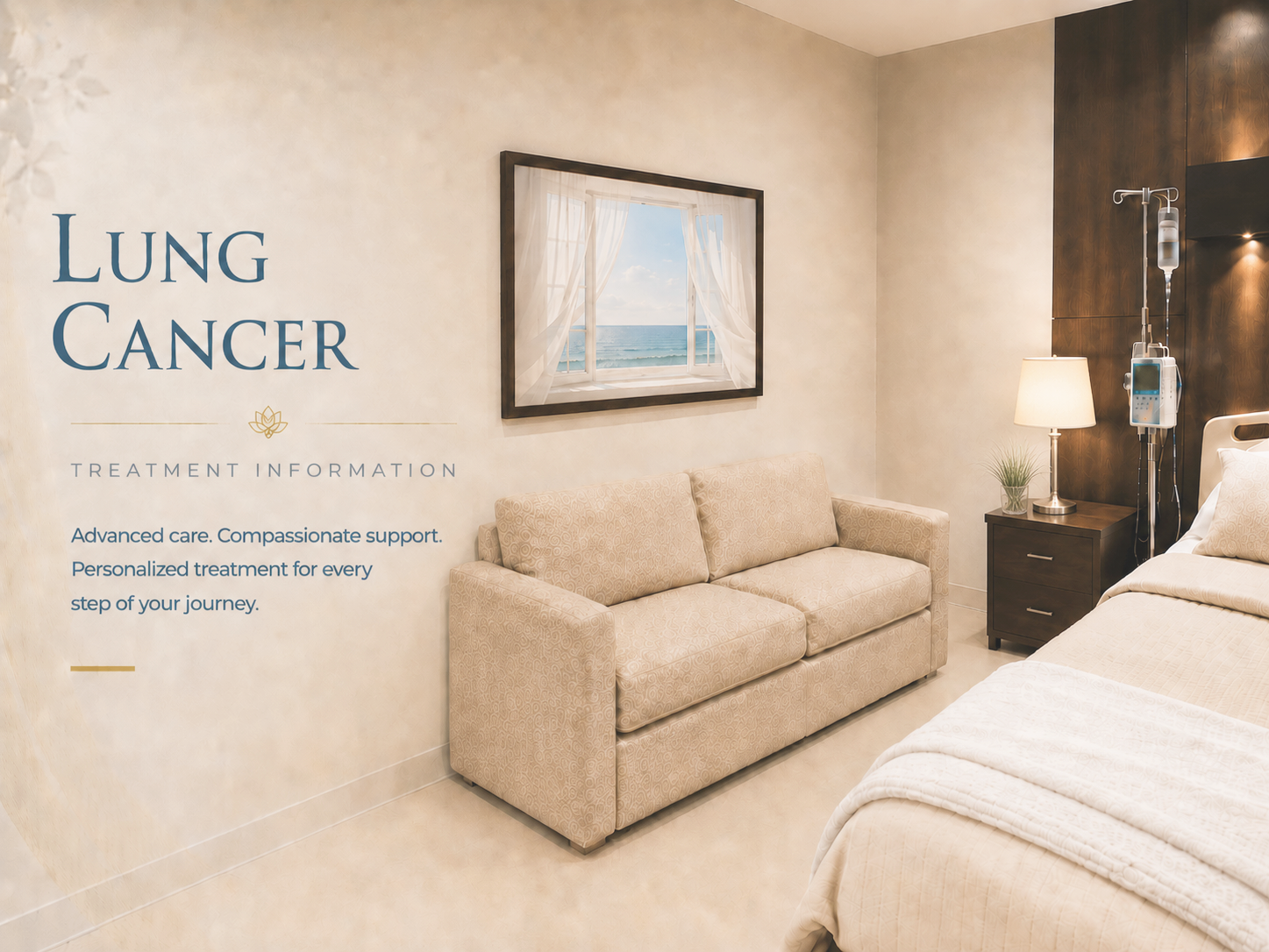
Lung Cancer Treatment at CMN Hospital
Lung cancer affects every patient differently. Some patients are newly diagnosed, while others arrive after surgery, chemotherapy, radiation, immunotherapy, targeted therapies, or recurrence. At CMN Hospital, Dr. Edgar Payán treats multiple forms of lung cancer, including Non-Small Cell Lung Cancer (NSCLC), Small Cell Lung Cancer (SCLC), metastatic lung involvement, and advanced-stage disease requiring supportive inpatient care.
Many patients seek a more organized inpatient environment after experiencing fatigue, weakness, inflammation, breathing difficulty, weight loss, low oxygen levels, loss of appetite, or physical exhaustion from prior treatments and progression of disease.
At CMN Hospital, each patient’s scans, pathology, laboratory studies, oxygen levels, symptoms, treatment history, medications, and overall condition are reviewed before an individualized inpatient plan is created.
Why Patients Continue Searching for Additional Options
Lung cancer patients often arrive physically depleted from ongoing inflammation, respiratory difficulty, treatment fatigue, disrupted sleep, weakness, infections, anxiety, and the physical strain that can come with long-term illness.
Some individuals come after recurrence or progression. Others arrive after being told their remaining options are limited. Inside CMN Hospital’s inpatient environment, daily treatment, laboratory services, meals, physician evaluation, respiratory support, and recovery are coordinated together throughout the stay.
Therapies Used Within the Program
Depending on the patient’s diagnosis, condition, and prior treatment history, care may include dendritic cell therapy, autologous bone marrow stem cell therapy, Hyperbaric Oxygen Therapy, Ultraviolet Blood Irradiation, Major Autohemotherapy ozone therapy, IV nutrient therapy, respiratory support therapies, nutritional care, and additional treatments selected by Dr. Payán during the inpatient stay.
Treatment plans may be adjusted throughout the program based on laboratory studies, oxygen levels, inflammation, strength, tolerance, respiratory function, and clinical response during care.
Oxygenation and Respiratory Support
For many lung cancer patients, oxygenation, inflammation, fatigue, and respiratory strength become daily concerns. Difficulty breathing can affect sleep, appetite, physical activity, emotional well-being, and overall recovery.
Throughout the inpatient program, oxygenation therapies, nutritional support, physician monitoring, IV therapies, respiratory evaluation, and recovery care are coordinated together to help support stability and overall function during treatment.