
Healing Science Breakthroughs
Exploring New Paths to Cancer Recovery

TRIPLE NEGATIVE BREAST CANCER
Overcoming Resistance: Navigating TNBC Evolution, the Reality of Success Rates, and the Path of Coordinated Oncology
When triple-negative breast cancer returns after a period of being clear, or when an advanced targeted therapy like an antibody-drug conjugate stops working, it can feel like a profound betrayal. Many women wonder, “What did I do wrong?” or “Why is my body failing me?”
The truth is, you did nothing wrong. The challenge lies entirely in the highly adaptable, evolutionary biology of triple-negative breast cancer cells.
Initial treatments like frontline chemotherapy, surgeries, and radiation are powerful tools designed to eliminate the vast majority of fast-dividing cancer cells. However, a tiny fraction of highly resilient cells—often referred to as cancer stem cells—can survive by entering a quiet, dormant state. When a recurrence or progression occurs, it grows from these survivor cells, which have effectively learned how to defend themselves.
These cells develop acquired drug resistance by deploying sophisticated biological shields:
- Efflux Pumps: They create molecular pumps that actively flush chemotherapy drugs out of the cell before they can cause damage.
- DNA Repair Mechanisms: They accelerate their internal repair systems, rapidly fixing the DNA damage caused by radiation or chemical agents.
- Alternative Metabolic Pathways: They mutate to find new ways to fuel their growth, completely bypassing the biological checkpoints targeted by frontline drugs.
When standard options stop working, it simply means the cancer has outsmarted that specific chemical script. It does not mean you are out of options.
🌿 The Health Corner: The Targeted Science of Blue Scorpion Venom in TNBC
Triple-Negative Breast Cancer (TNBC) presents an historically difficult biological baseline. Because TNBC cells lack receptors for estrogen, progesterone, and HER2, traditional targeted hormone blockades cannot find a foothold. This is precisely why alternative pathways focusing on cellular physics are so vital.
To address this specific crisis, peer-reviewed laboratory research has heavily focused on the effects of blue scorpion venom (Rhopalurus junceus) fractions explicitly against human TNBC cell lines (such as the highly aggressive MDA-MB-231 lineage).
The scientific data demonstrates that the venom’s active peptides target TNBC through mechanisms completely distinct from traditional drugs:
- Voltage-Gated Ion Channel Disruption: The venom’s bioactive peptides act as selective blockers of potassium (Kv) and sodium (Nav) ion channels in the TNBC cell membrane. This action disrupts the cell's resting electrical charge, altering calcium influx and cutting off its survival signaling.
- Activation of the Intrinsic Apoptotic Pathway: Exposure to these active fractions forces a collapse in the tumor cell's mitochondrial membrane potential (ΔΨm). This triggers programmed cell death (apoptosis), causing DNA fragmentation and tumor cell shrinkage in lab dishes.
- Upregulation of Master Tumor-Suppressors: Real-time assays reveal that the venom triggers a profound upregulation of pro-apoptotic genes—including p53, bax, noxa, puma, and caspase-3—essentially overriding the cancer cell's resistance mechanisms.
- Anti-Angiogenesis Effects: In vivo models evaluating mammary tumors show that the venom aids in downregulating proliferation markers like Ki-67 and vascular markers like CD31, helping to suffocate the blood supply lines the tumor relies on to migrate and spread.
By attacking the tumor through cellular physics rather than traditional chemical pathways, Dr. Payán’s 15-year protocol aims to bypass the exact shields that TNBC cells build against frontline chemotherapy drugs.
Understanding the Variables: The Radical Honesty Behind "Success Rates"
Scientific References & Literature Citations
Published research and medical literature referenced in the discussion of triple-negative breast cancer and Rhopalurus junceus Blue Scorpion Venom.
1. Díaz-García, A., et al. (2017).
Rhopalurus junceus scorpion venom induces apoptosis in the triple negative
human breast cancer cell line MDA-MB-231 via the mitochondrial pathway.
Journal of Venom Research, 8, 9–13.
View Research on NCBI PMC5735679 →
2. Díaz-García, A., et al. (2019).
Rhopalurus junceus scorpion venom induces antitumor effect in vitro and
in vivo against a murine mammary adenocarcinoma model.
Iranian Journal of Basic Medical Sciences, 22(7), 759–765.
View Research on NCBI PMC7196348 →
3. Giovannini, C., et al. (2020).
Therapeutic Anticancer Uses of the Active Principles of Rhopalurus junceus
Venom: A Systematic Review.
Biomedicines, 8(10), 382.
View Published Review →
4. Preclinical Ion Channel Research.
Emerging evidence on voltage-gated potassium (Kv) and sodium (Nav)
channel blockers in breast and systemic cancer cell homeostasis.
Frontiers in Pharmacology, 14.
View Research on NCBI PMC10410492 →
5. Memorial Sloan Kettering Cancer Center.
Clinical information regarding scorpion venom and integrative oncology.
View Memorial Sloan Kettering Reference →
These publications include preclinical laboratory, animal-model, and review literature. Laboratory and preclinical findings do not establish clinical outcomes in individual patients.

Fatigue After a Cancer Treatment Decision

Why You May Feel Exhausted After Choosing a Cancer Treatment Plan
Many patients expect to feel relief once a cancer treatment decision is made. Often, they do. But what surprises many people is that relief is followed by exhaustion.
After meeting with physicians, reviewing options, discussing risks and timelines, and weighing deeply personal considerations, the body has often been in a prolonged state of vigilance. Even when a patient feels calm and hopeful, the nervous system may have been working steadily in the background.
Choosing a cancer treatment plan is not a small cognitive event. It is a full-body experience.
The Physiology Behind Post-Decision Fatigue
When facing a cancer diagnosis and treatment planning, the body activates its stress-response system. This may include increased sympathetic nervous system activity, elevated cortisol and catecholamine levels, heightened cognitive processing, muscle tension, and disrupted sleep.
This response is adaptive. It allows the brain to gather information, assess risk, and prepare for change. Importantly, the body does not distinguish between distress and hopeful stress. Both activate similar physiological pathways. A meaningful and positive step forward still requires energy.
What Happens After the Decision Is Made
Once a treatment plan is chosen, uncertainty decreases. The body no longer needs to remain in a sustained state of alert. At that point, the autonomic nervous system begins shifting from sympathetic activation, often called fight-or-flight, toward parasympathetic dominance, often called rest-and-restore.
As stress hormones normalize, patients may experience profound fatigue, emotional quiet, an increased need for sleep, or a sense of heaviness. This is not regression. It is recovery.
In stress physiology, this aligns with the recovery phase described in General Adaptation Syndrome. After sustained activation, the body moves toward recalibration.
For many cancer patients, that shift occurs the day after meeting with an oncologist, finalizing a treatment program, or receiving clarity about logistics or financial planning. The exhaustion that follows is often the body’s way of resting after carrying uncertainty.
Supporting the Body During This Recovery Phase
If you notice increased fatigue after finalizing your treatment plan, gentle nervous system regulation can support recovery:
Prioritize additional rest. The body restores more effectively when stimulation is reduced.
Practice slow diaphragmatic breathing. Prolonged exhalation supports vagal tone and parasympathetic activation.
Engage in light movement. Short walks or gentle stretching can help metabolize residual stress hormones.
Reduce additional decision-making. Avoid stacking major tasks immediately after treatment planning.
Support your sleep rhythm. Consistent bedtimes and reduced evening screen exposure help normalize cortisol cycles.
Spend brief periods outdoors. Even 15 to 20 minutes in natural light may help reduce stress markers.
Maintain steady nutrition and hydration. Blood sugar stability supports energy regulation.
Allow emotional quiet without judgment. Fatigue after vigilance does not indicate doubt. It often indicates regulation.
If exhaustion is persistent, severe, or accompanied by other concerning symptoms, it should always be discussed with your medical team.
A Clinical Perspective
Fatigue following major medical decisions is consistent with established stress research, including:
Selye’s General Adaptation Syndrome model
Neuroendocrine research on cortisol activation and recovery
Studies on adaptation to significant life events by Holmes and Rahe
Cancer treatment planning is emotionally and physiologically demanding. Feeling tired after making a firm decision does not indicate weakness. In many cases, it indicates that vigilance has ended and recovery has begun.
References
Selye, H. (1956). The Stress of Life. McGraw-Hill.
McEwen, B. S. (1998). Protective and damaging effects of stress mediators. New England Journal of Medicine, 338(3), 171–179.
Sapolsky, R. M. (2004). Why Zebras Don’t Get Ulcers. Holt Paperbacks.
Holmes, T. H., & Rahe, R. H. (1967). The Social Readjustment Rating Scale. Journal of Psychosomatic Research, 11(2), 213–218.
al Readjustment Rating Scale. Journal of Psychosomatic Research, 11(2), 213–218.
Understanding Metastasis at CMN Hospital
"Searching for advanced cancer treatment? CMN Hospital offers non-toxic therapies for metastatic cancer, including Autologous Bone Marrow Stem Cell & Dendritic Cell Therapy. Strengthen your immune system and explore personalized treatment options beyond chemo. Call 1-844-371-1117 today."

Understanding Metastasis: How Cancer Spreads
At CMN Hospital, we specialize in advanced therapies for patients who have been diagnosed with metastatic cancer—cancer that has spread beyond its original site to other areas of the body. Many of our patients seek our expertise because we offer comprehensive and personalized care that focuses on strengthening the body’s natural defenses and providing innovative treatments that minimize the burden on the body. We understand the unique challenges faced by those dealing with metastasis, and our goal is to offer hope and a renewed quality of life through our specialized protocols.
What is Metastasis?
Metastasis refers to cancer’s ability to spread from its original location to other parts of the body. Cancer can spread locally, moving into nearby normal tissue, or regionally, reaching nearby lymph nodes or organs. When it travels to distant areas, it’s known as metastatic cancer. In most cases, metastatic cancer is referred to as stage IV cancer.
Cancer cells spread through a series of steps, which may include:
- Invading nearby normal tissue.
- Moving through the walls of nearby lymph nodes or blood vessels.
- Traveling through the lymphatic system and bloodstream.
- Stopping in small blood vessels in distant areas, moving through their walls into surrounding tissue.
- Growing in the new tissue until a small tumor forms.
- Triggering the growth of new blood vessels to supply nutrients, allowing the tumor to continue growing.
Importantly, metastatic cancer keeps the name of the primary cancer. So, if breast cancer spreads to the lung, it’s called metastatic breast cancer, not lung cancer.
Micrometastasis: The Tiny Spread of Cancer Cells
Sometimes, cancer spreads but remains so small that it can’t be seen on scans. This is called micrometastasis. While we can't always detect micrometastases on scans, blood tests may show certain proteins released by these small cancer cells, giving us clues. Treating micrometastases often involves targeting these small clusters before they grow large enough to detect, which can help prevent them from spreading further.
Hope for the Future
While metastasis can be challenging to understand, research is continually advancing. In 2016, researchers in Germany discovered how cancer cells can push through blood vessel walls by targeting a molecule called Death Receptor 6. This discovery is one step closer to understanding how cancer spreads and, ultimately, finding ways to stop it.
If you’d like to learn more, check out the TED-Ed lecture by Ivan Seah Yu Jun, where he explains how cancer spreads in a simple, visual way.
For more personalized information or to discuss concerns, you can schedule a consultation with Dr. Payan at CMN Hospital. We're here to help you navigate this journey with knowledge and support.
Learn More About Our Advanced Cancer Treatment Programs
Advanced Breast Cancer Treatment at CMN Hospital

When Chemotherapy Fails for Breast Cancer
Receiving the news that chemotherapy is no longer working can feel overwhelming. Many women are left searching for other options, hoping for a treatment that doesn’t weaken their body further. At CMN Hospital, we offer scientifically supported therapies that focus on strengthening the immune system while targeting cancer at its source.
Scientific Evidence for Advanced Therapies
Studies continue to show the effectiveness of immune-supporting therapies for patients with breast cancer, particularly for those with Stage 3 and Stage 4 diagnoses. A study from Stanford University found that women with Stage 4 breast cancer who received autologous bone marrow stem cell therapy had a median survival of 60 months, compared to 28 months for those who did not receive treated cells. This research highlights the potential of stem cell-based therapies in improving long-term outcomes.
How Bone Marrow Stem Cell Therapy Works
Unlike traditional allogenic transplants, which rely on donor cells, autologous bone marrow stem cell therapy uses a patient’s own cancer-free stem cells. This method ensures complete compatibility, reducing risks of rejection or complications. At CMN Hospital, Dr. Edgar Payan and his team conduct rigorous testing to ensure that all harvested stem cells are free from cancer before reinfusion.
The collection process is minimally invasive and performed under sedation. A small sample of bone marrow is extracted, processed, and reintroduced into the patient’s system to help restore immune function. This therapy can be used alongside Dendritic Cell Therapy to enhance the body’s ability to detect and fight cancer cells.
Why Avoid High-Dose Chemotherapy?
High-dose chemotherapy can damage the body's blood-forming system, reducing red and white blood cell production and leaving patients vulnerable to infections, extreme fatigue, and other complications. Worse, cancer cells can sometimes hide during chemotherapy, increasing the risk of relapse even after intensive treatment.
Dr. Payan’s approach prioritizes therapies that enhance, rather than deplete, the immune system. By avoiding aggressive chemotherapy, his protocols help patients retain their body’s natural blood-forming and infection-fighting capabilities, providing a better quality of life during and after treatment.
Autologous Bone Marrow Stem Cell Therapy After Chemotherapy
For patients who have undergone chemotherapy or radiation therapy, autologous bone marrow stem cell therapy offers a way to help the body recover. These treatments, while effective in targeting cancer, often severely weaken the immune system. By reintroducing a patient’s own healthy stem cells, this therapy helps restore the body’s natural ability to regenerate blood cells, improving overall health and resilience.
Success and Safety of Autologous Bone Marrow Stem Cell Therapy
Extensive research has confirmed the safety and effectiveness of autologous bone marrow stem cell therapy. Studies from institutions such as the Memorial Sloan Kettering Cancer Center and Stanford University have shown that using a patient’s own stem cells significantly reduces the risks associated with donor transplants, including rejection and graft-versus-host disease.
Patients undergoing autologous bone marrow transplantation have reported improved survival rates and immune system recovery, particularly when this therapy is used after chemotherapy or radiation. Research published in the journal Nature highlighted that patients who received this treatment experienced better overall health and immune function.
There is Hope for Breast Cancer
At CMN Hospital, we recognize that each breast cancer case is unique. If you have been told that your options are limited or that chemotherapy is your only choice, we want you to know that additional scientifically supported therapies exist. Our advanced treatments provide renewed hope for patients with Stage 3 and Stage 4 metastatic breast cancer, as well as for those with other metastatic cancers.

Dendritic Cell Therapy CMN Hospital

Dendritic Cells: Advanced Cancer Treatment
Dendritic Cell Therapy with Dr. Edgar Payan
If you or a loved one is dealing with advanced cancer and have not found success with traditional treatments, it’s time to explore new and promising options. At CMN Hospital, Dr. Edgar Payan offers personalized cancer treatment protocols, including innovative therapies like dendritic cell therapy. These advanced protocols are specifically designed to treat stage 3 breast cancer, metastatic stage 4 breast cancer, and advanced prostate cancer.
The Importance of a Comprehensive Cancer Treatment Plan
Cancer treatment is not a one-size-fits-all solution. It requires a combination of approaches designed to target cancer cells, boost the immune system, and improve the patient’s overall strength. One critical factor that must be prioritized when developing a cancer treatment plan is the immune system. A strong immune system is essential for fighting illness and infection, and it plays a significant role in the body’s ability to fight cancer. Dendritic cells (DCs) are part of the body’s immune response, and they work to recognize and eliminate abnormal cancer cells.
Dendritic cell therapy is a leading-edge treatment that empowers the immune system to fight cancer while supporting overall health. This innovative therapy uses the patient’s own immune cells to specifically target and destroy cancer cells. It’s an excellent option for patients who are looking for advanced treatments that complement traditional methods.
How Dendritic Cell Therapy Works to Fight Cancer
Dendritic cells (DCs) are specialized immune cells that play a crucial role in the adaptive immune response. They act as messengers, identifying harmful cells like cancer and signaling the body’s immune system to attack. By activating T-cells, dendritic cells help create a powerful anti-tumor response, making them an important component of advanced cancer therapies.
At CMN Hospital, our team employs cutting-edge techniques to harness the power of dendritic cells. Our personalized approach to cancer treatment includes advanced therapies like dendritic cell vaccines, which have shown promising results in improving immune response and fighting cancer. Recent studies, such as those from institutions like the Fred Hutchinson Cancer Center, highlight the effectiveness of dendritic cell therapy in patients with advanced-stage cancers, such as multiple myeloma and breast cancer.
This therapy is not used in isolation but is integrated into a comprehensive treatment plan tailored to each patient’s unique needs. By combining dendritic cell therapy with other evidence-based cancer treatments, we offer a more complete and personalized approach to care.
At CMN Hospital, under the expert care of Dr. Edgar Payan, patients receive integrative cancer treatment that incorporates the latest advancements in immunotherapy. Dendritic cell therapy offers hope for patients who are facing advanced stages of cancer and are seeking new, scientifically backed treatment options.
To learn more about how Dr. Edgar Payan and the team at CMN Hospital can help you with advanced cancer treatment options, visit us online at cmnadvancedcancertreatment.com or call us at 1-844-371-1117. Take the next step in your cancer care journey.
Contact Us Today

Cancer Success Rates

CMN Hospital Advanced Cancer Treatment Success Rates
Success Rates: A Personalized Perspective
When patients and their families consider cancer treatment options, it’s natural to want clarity around success rates. It’s important to understand that success in cancer treatment is impacted by many factors. At CMN Hospital, we approach success with the belief that each patient’s health needs are unique, shaped by individual factors that influence how their body responds to therapy. For patients who have already undergone conventional treatments—such as chemotherapy, surgery, radiation, or trial drugs—it brings more health challenges.
Why Success is Unique to Each Patient
Success is not solely about whether a patient is "cured" but also involves improving quality of life, extending longevity, and providing healing in body, mind, and spirit. Below are some of the key factors that can affect outcomes:
Stage of Cancer: The stage at which cancer is diagnosed plays a crucial role in determining treatment success. Patients diagnosed at an earlier stage may have better outcomes, while those with late-stage or metastatic cancers may face more challenges in responding to treatment.
Type of Cancer: Different cancers respond to treatments in varying ways. Solid tumors versus blood cancers, for instance, may require entirely different treatment protocols, which influence outcomes.
Previous Treatments: Many patients come to CMN Hospital after undergoing aggressive conventional treatments, such as chemotherapy, radiation, or surgery. These interventions can weaken the immune system and the body's overall ability to heal. The lingering effects of these treatments, such as reduced blood cell counts or weakened organs, make recovery more complex and can affect how the body responds to further therapy.
Age and General Health: Younger patients generally have stronger immune systems and recover more easily, while older patients or those with pre-existing conditions (such as diabetes or heart disease) may face more difficulties.
Immune System Strength: Since many of the therapies at CMN Hospital focus on strengthening the immune system, the state of a patient’s immune health coming into treatment is a critical factor. Patients whose immune systems have been compromised by previous treatments may not respond as quickly or as robustly as those who are in better overall health.
Lab Monitoring Beyond Tumor Markers
One important part of monitoring success in treatment is regular lab tests. While many patients are familiar with tumor marker testing, lab work at CMN Hospital goes beyond this. We monitor hemoglobin (Hb) and albumin (ALB) levels, among others, to assess the body’s overall ability to recover.
Hemoglobin (Hb or Hgb): Chemotherapy can lower hemoglobin levels, affecting how well the body transports oxygen. In cases where levels are low, transfusions of platelets, plasma, or albumin may be required.
Albumin (ALB): This protein helps maintain proper fluid balance. Low albumin levels, which can result from chemotherapy, may indicate malnutrition, liver dysfunction, or healing difficulties. If needed, albumin transfusions can help restore balance and support recovery.
These variables and others help us understand how a patient’s body is responding to treatment and guide adjustments to the care plan as necessary.
The Importance of Starting Treatment Early
Timing can play a critical role in the effectiveness of cancer treatments. For patients who begin alternative therapies shortly after conventional treatments, the body often has more resources available for recovery. Early intervention allows us to help strengthen the immune system and restore natural healing mechanisms before they are further compromised by the disease or the lingering effects of chemotherapy and radiation. If there has been a delay in seeking cancer care, it is never too late to explore treatment options. At CMN Hospital, we are committed to providing compassionate and comprehensive care at every stage, regardless of when treatment begins. Our goal is to assess each patient’s current health status and create a personalized plan that works with their body’s needs, helping to improve quality of life and promote healing.
Success in Stage 4 and Post-Chemotherapy Patients
Many patients who come to us are in Stage 4 or have been through extensive conventional treatments. In these cases, success is often defined differently. Rather than focusing solely on "curing" the cancer, success may mean:
- Improved quality of life
- Extended time with loved ones
- Symptom management and relief
- Strengthening the body’s natural healing mechanisms
Patients who come to us after chemotherapy may find that recovery is slower because chemotherapy can impact the liver, kidneys, and other organs. The body’s ability to clear toxins is reduced, which can slow the response to new treatments.
For Family and Friends: Is It Worth it?
We often hear the heartfelt question: "Is it worth it?" This question comes with deep emotions, especially when supporting a loved one with advanced-stage cancer. It's completely natural to seek clarity regarding treatment options, particularly when financial considerations are involved. Answering this question is complex because it encompasses not just medical factors but also hope and individual values.
Respecting Patient Care and Ethical Considerations
At CMN Hospital, we prioritize the health and well-being of all patients. We understand the complexity of cancer care, especially for those facing advanced stages of the disease. Our commitment is to provide the best care possible for each individual, respecting their unique circumstances and previous medical experiences.
Once a patient is discharged from their oncologist, we can then thoroughly evaluate their condition, considering their ability to travel to us, the complexities of their cancer type, treatment history, and overall health while respecting the care they have already received. We will not encourage critical patients from international locations to travel in emergency situations, as it is vital for individuals to remain safely at home near their local hospital until they are healthy enough to make the journey.
Learn About Our Advanced Cancer Treatment Programs
Bone Marrow Stem Cells
Bone Marrow Stem Cell Therapy
Dr. Edgar Payan’s Advanced Cancer Treatment (ACT) protocol prioritizes strengthening the body’s natural defenses rather than relying on therapies that can weaken it. Chemotherapy, for example, often damages the immune system by reducing the body’s ability to produce blood cells, which leaves patients vulnerable to infection and weakens their overall health. Dr. Payan’s ACT protocol is designed to preserve and support the immune system from the start.
Bone Marrow Stem Cell Therapy and Biocompatibility
By using Autologous Bone Marrow Stem Cell Therapy, the patient’s own stem cells are harvested, purified, and reintroduced into the body through an IV. This technique avoids the risks associated with donor cells and minimizes rejection or adverse immune reactions. Since the therapy uses the patient’s own cells, it is highly compatible with the body, supporting natural healing while also targeting cancer cells effectively.
Safe, Minimally Invasive Procedure
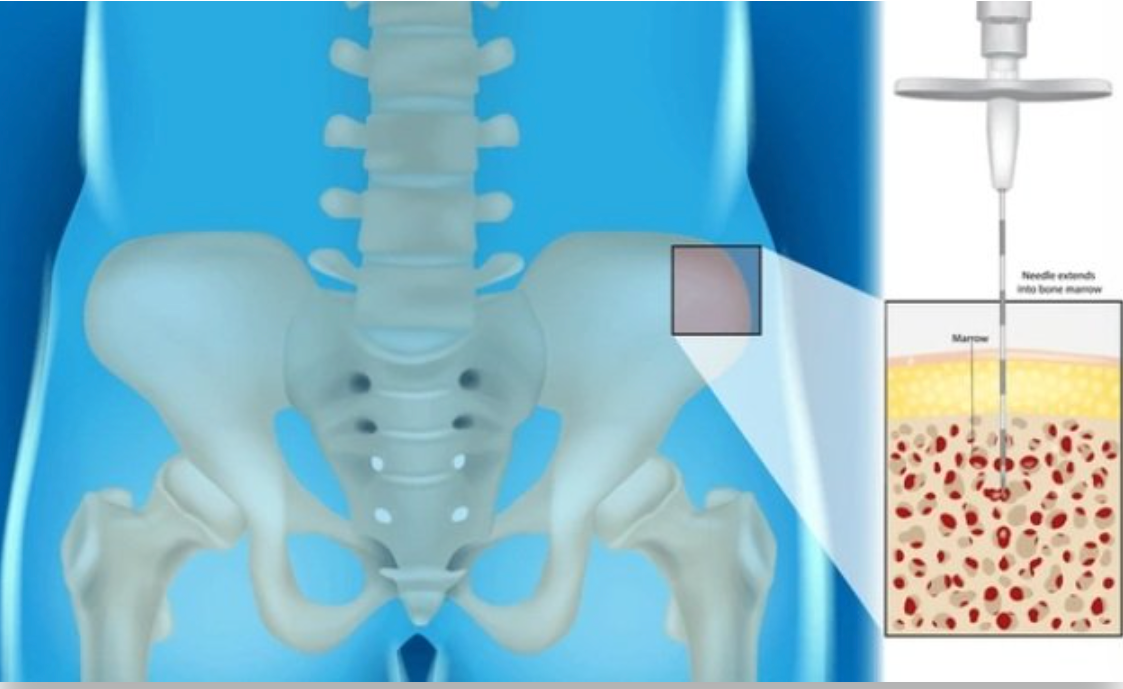
This approach is minimally invasive, requiring only mild sedation for a bone marrow aspiration that typically lasts 15-20 minutes. After harvesting, the cells are enhanced and infused back into the body, making this a safe and straightforward process that offers significant potential for regenerating healthy tissue and reinforcing the immune system.
Accessibility of Advanced Therapies
In the United States, treatments like Autologous Bone Marrow Stem Cell Therapy and Dendritic Cell Therapy are not typically covered by insurance and can cost hundreds of thousands of dollars. At CMN Hospital, Dr. Payan’s ACT program offers these therapies to qualifying patients with no additional fees, making advanced cancer care more accessible.
Stanford Study Highlights on Breast Cancer
Research from Stanford University demonstrated that Stage 4 breast cancer patients receiving cancer-free stem cells had a median survival rate of 60 months, compared to 28 months for those receiving untreated cells. This study underscored the life-extending benefits of autologous stem cell therapy in advanced cases. In Dr. Payan’s protocol, the benefits are enhanced by avoiding chemotherapy, which often compromises the immune system and the body’s ability to heal.
Why Avoid Chemotherapy?
Chemotherapy, while helpful in some cases, often impacts the body’s ability to produce blood cells, making it harder for the body to heal. This reduction in blood cell production limits the body’s defenses, leaving patients more vulnerable to infections and side effects. Dr. Payan’s approach avoids this issue, focusing instead on bolstering immune cells—such as T cells, B cells, and NK cells—thus improving the overall chances of recovery.
Integrated Dendritic Cell Therapy
Dendritic Cell Therapy, a cornerstone of Dr. Payan’s ACT program, is included for all qualifying patients. This therapy works by activating T cells to recognize and attack cancer cells, creating a targeted immune response. While this therapy is costly in the United States, CMN Hospital provides it as part of a comprehensive care plan with no additional fees for eligible patients.
Comprehensive, Inclusive Care
At CMN Hospital, Dr. Payan’s ACT program includes therapies like Autologous Bone Marrow Stem Cell Therapy and Dendritic Cell Therapy as part of a holistic approach. The program supports healing by maintaining the immune system’s natural ability to fight cancer, reducing the harsh side effects commonly associated with other treatment methods, and offering high-quality cancer care in an all-inclusive framework.
Fighter Cells in the Human Body's Bone Marrow
Bone marrow is a vital source of various immune cells that play crucial roles in defending the body against infections and diseases, including cancer. These cells, often referred to as “fighter” cells, are central to CMN Hospital’s Advanced Cancer Treatment protocol, which harnesses the body’s natural defense mechanisms. Here are the key fighter cells produced in the bone marrow:
1. T Lymphocytes (T Cells)
- Helper T Cells (CD4+ T Cells) – Aid in the activation and function of other immune cells.
- Cytotoxic T Cells (CD8+ T Cells) – Directly attack and kill infected or cancerous cells.
- Regulatory T Cells (Tregs) – Modulate the immune response to prevent autoimmune reactions.
2. B Lymphocytes (B Cells)
- Plasma Cells – Produce antibodies that target and neutralize pathogens.
- Memory B Cells – Remember previous infections and respond quickly upon re-exposure.
3. Natural Killer (NK) Cells
Natural Killer Cells are essential for attacking and destroying virus-infected cells and tumor cells without prior sensitization, which makes them invaluable for cancer therapy.
4. Monocytes
- Macrophages – Engulf and digest pathogens, dead cells, and cellular debris.
- Dendritic Cells – Present antigens to T cells to initiate an adaptive immune response.
5. Granulocytes
- Neutrophils – Rapidly respond to infection by engulfing and destroying bacteria and fungi.
- Eosinophils – Combat multicellular parasites and participate in allergic reactions.
- Basophils – Release histamine and other chemicals during allergic responses and inflammation.
6. Mast Cells
Mast cells release histamine and other mediators involved in allergic reactions and inflammation.
7. Megakaryocytes
Megakaryocytes produce platelets (thrombocytes) that are crucial for blood clotting and wound healing.
These cells, produced in the bone marrow, constitute the body's primary defense mechanisms. They are integral to CMN Hospital’s approach, which leverages the patient’s own cells to bolster immune responses, minimize adverse effects, and maintain healthy blood cell production.
Overview of CMN's Approach
At CMN Hospital, Autologous Bone Marrow Stem Cell Therapy is a minimally invasive treatment requiring only mild sedation. This safe and effective procedure involves extracting stem cells from the patient’s own bone marrow, purifying and enhancing them, and then reintroducing them into the body through an IV. This process regenerates healthy tissue, strengthens the immune system, and targets cancer cells, all without the complications associated with donor-derived treatments.
Why Use Your Own Stem Cells?
Biocompatibility
Since the therapy uses the patient’s own stem cells, there is no risk of rejection or adverse immune responses. This eliminates the need for a donor and the complications that can arise with genetic mismatches.
Non-Invasive Process
The bone marrow aspiration is performed under mild sedation, ensuring patient comfort. Stem cells are collected from the hip bone in a quick, 15-20 minute procedure.
Purification and Reinfusion
Once harvested, the stem cells are purified and enhanced before being reintroduced into the body. This process boosts the immune system, helping the body naturally target and eliminate cancer cells while regenerating healthy tissue.
Effectiveness and Long-Term Safety
Autologous bone marrow stem cell therapy is a safe procedure, with extensive research indicating low risks of complications. While individual results may vary, many patients experience significant improvements. Side effects, such as temporary soreness or fatigue, are typically mild and manageable with proper care.
Why Choose CMN Hospital?
CMN Hospital specializes in using autologous stem cell therapy as part of a comprehensive cancer treatment program. We focus on minimally invasive procedures that prioritize patient safety and comfort. Our therapy supports the body’s natural immune system, offering an effective treatment without the toxic side effects associated with aggressive chemotherapy.
Conclusion: The Ideal Candidate
The ideal candidate for Dr. Payan’s Advanced Cancer Treatment Protocol using Autologous Bone Marrow Stem Cell Therapy is someone who:
- Wishes to avoid chemotherapy and its toxic side effects
- Has not responded well to other treatments
- Wants to strengthen their immune system and enhance their quality of life
References

Hyperthermia

If you want to speak with Dr. Payan at CMN Hospital please contact us.
Hyperthermia is, by definition, the condition of having a body temperature greatly above normal; it is not to be confused with hypothermia, known as having a body temperature below normal. The average body temperature for human beings is 98.6°F or 37°C. Body temperature is crucial in maintaining health because many of the vital life functions carried out within your body are “possible only between certain narrowly defined limits of temperature. Cold inhibits and excessive heat suspends them. Body heat is energy. It is employed not just in resisting cold, but also in accelerating cellular activities.”[1] Science classes in school often taught us that bad things happen when our homeostasis, including internal body temperature, is disrupted. However, this is not always true.
Can positive things happen to our body when heat and high temperatures are purposefully utilized in strategic ways? Yes.
Treating Cancer with Hyperthermia
Hyperthermia, or an elevated temperature, is used to treat cancer by damaging or destroying tumors using heat. Specifically, “during a hyperthermia treatment, the cancerous tumor is heated to a temperature between 40 and 45°C (104 -113° F) for a certain period of time. Since cancer cells can’t tolerate high temperatures as well as healthy cells, parts of the cancer cells can become damaged by the heat.”[2]
Hyperthermia is most frequently, and most reliably, performed through two methods:
Local Hyperthermia
Regional Hyperthermia
Both local and regional hyperthermia treatments are effective and beneficial to fighting cancer, as they each utilize high temperatures to “damage and kill cancer cells, usually with minimal injury to normal tissues. By killing cancer cells and damaging proteins and structures within cells, hyperthermia may shrink tumors.”[3]
It is important to note that “numerous clinical trials have studied hyperthermia in combination with radiation therapy and/or chemotherapy. These studies have focused on the treatment of many types of cancer, including sarcoma, melanoma, and cancers of the head and neck, brain, lung, esophagus, breast, bladder, rectum, liver, appendix, cervix, and peritoneal lining (mesothelioma). Many of these studies, but not all, have shown a significant reduction in tumor size when hyperthermia is combined with other treatments.”
Local Hyperthermia
Local hyperthermia treatment occurs when “very high temperatures are used to kill the cancer cells and destroy nearby blood vessels. In effect, this cooks the area that is exposed to the heat. And, as with cooking, the higher the temperature and duration of exposure, the greater the effect seen within tissues.”[4] During local hyperthermia treatments,“different types of energy may be used to apply heat, including microwave, radio-frequency, and ultrasound,” so the treatment is adjustable to your specific medical condition, with regard to your doctors’ discretion, as well as the location of the tumor.
For example, local hyperthermia may be applied externally, primarily to tumors that “are in or just below the skin. External applicators are positioned around or near the appropriate region, and energy is focused on the tumor to raise its temperature.”
Local hyperthermia can also be used to treat tumors within or near body cavities, as well as those that are deep within the body.
Regional Hyperthermia
Regional hyperthermia differs from local hyperthermia in that heat is applied to large areas of tissue, such as a limb, organ, or other body cavity or surface.
One “approach to regional hyperthermia is deep tissuehyperthermia. This treatment uses devices that are placed on the surface of the organ or body cavity and produce high energy waves directed at a certain area. These devices give off radiofrequency or microwave energy to heat the area being treated.”
Another way in which regional hyperthermia treatment is utilized is through “external applicators, [which] are positioned around the body cavity or organ to be treated, and microwave or radiofrequency energy is focused on the area to raise its temperature.”
Hyperthermia and You
Hyperthermia is an advanced treatment that requires the utmost attention to detail because the body is extremely sensitive to fluctuations in internal temperature, which can alter the homeostatic normality within the body. Hyperthermia treatment is also implemented in a range of techniques locally and regionally, thus making the treatment flexible to your specific medical circumstance as part of your overall treatment plan.
CMN Hospital proudly offers hyperthermia in conjunction with our other treatments; to learn more about other treatments offered click here and to learn more about our hyperthermia treatment, contact us here.
References
[1]“The Importance of Body Temperature.” Raw Food Explained.
[2]“Hyperthermia.” Cancer Treatment Centers of America.
[3]“Hyperthermia in Cancer Treatment.” National Cancer Institute.
[4]“Hyperthermia to Treat Cancer.” American Cancer Society.