
Healing Science Breakthroughs
Exploring New Paths to Cancer Recovery

Ultraviolet Blood Irradiation

Ultraviolet blood irradiation (abbreviated as UBI or UVB) is an “intravenous therapy that represents a safe, non-toxic, low cost and drug-free method of treating most blood-borne viruses and it offers hope to those who suffer from viral infections and related conditions,” such as cancer.[1] Dubbed ‘the cure that time forgot’ by the American Journal of Surgery, UBI was first used in the 1940s and 1950s to treat diseases including pneumonia. Its success led it to be used extensively to treat “tuberculosis, arthritis, asthma, and even poliomyelitis. "[2]
How Ultraviolet Blood Irradiation Works
UBI is a multi-process medical treatment that assists the immune system and rejuvenates blood properties. Furthermore, “it has also proven to increase oxygen flow to the tissues, causing vasodilation and microcirculation,” a benefit highly regarded in cancer treatments.
UBI, as explained by the Physicians UBI Awareness Center, is a simple process that produces major, effective results. In step-by-step explanation:
“blood is withdrawn from the patient’s arm using a butterfly needle, and then run through a device which exposes the blood to controlled ultraviolet rays. The patient’s blood is exposed to UV light, where smaller bacterial and viral cells are targeted; they absorb the majority of the photonic energy. The healthy cells remain intact while the disease cells are killed and become antigenic. An “autogenous vaccine,” meaning self-generated, is thus produced. This process is formally known as “induced secondary immune reactivation,” and the end result provides a new supercharged immune response, greater oxygenation, and a balancing of your system; this enriched blood is then re-directed back into the body via the same needle.” [3]
The science behind UBI is clear, exemplifying that “low and mild doses of UV kill microorganisms by damaging the DNA, while any DNA damage in host cells can be rapidly repaired by DNA repair enzymes.”
Ultraviolet blood irradiation is extremely beneficial to patients battling cancer because it strengthens the immune system and improves overall health. In addition, UBI has multiple therapeutic benefits, which can further assist in other cancer treatments simultaneously. These benefits include:
Destruction of fungal, viral, and bacterial growth
Improves circulation and decreases platelet aggregation
Improves circulation by dilating blood vessels
Improves the body’s ability to detoxify and inactivate or remove toxins
Activates cortisone-like molecules, sterols, into vitamin D
Restores the normal size and movement of fat elements
Following the advent of antibiotics, UBI declined in common usage; doctors turned to prescribing pills, which could be taken out of the hospital, arguably a more minimalist approach to curing disease to multi-day hospital stays. However, due to “the increasing incidence of antibiotic-resistant infections and a desire for more natural therapies, UBI is enjoying a type of rebirth” and becoming more highly requested and used in medical offices.
What can UBI treat?
Ultraviolet blood irradiation is unique in that it “invokes photolysis of proteins,” which plays “a role in antigens, launching the appropriate immune reactions in the organism of the patient.”[4] As such, UBI is used to treat a variety of illnesses and medical conditions, some of which include:
Viral infections
Hepatitis
Mononucleosis
Bacterial infections
Wound infections
Lymphadenitis
Septicemia
Furunculous and carunculous
Inflammatory process: thrombophlebitis, fibrositis, cholecystitis, pancreatitis
Diseases due to inadequate peripheral circulation
Varicose or diabetic ulcers
Peripheral atherosclerosis
Vascular headache
Non-healing wounds and delayed union fractures
Rheumatoid arthritis and other autoimmune diseases
How does CMN utilize Ultraviolet blood irradiation?
CMN Alternative Cancer Treatment has found UBI therapy to be immensely effective in treating patients with a wide variety of illnesses – especially those who are struggling with cancer. At CMN, our physicians can safely administer this form of therapy and use it as part of our comprehensive approach to patient treatment and wellness.
To learn more about how CMN utilizes this therapy, click here or to schedule a video consultation with Dr. Payan at CMN Hospital please contact us.
References
[1]Innovative Medicine. “Ultraviolet Blood Irradiation Therapy.”
[2]J Phototochem Photobiol B. “Ultraviolet blood irradiation: Is it time to remember ‘the cure that time forgot?”
[3]Physicians UBI Awareness Center. “What is BPT?”
[4]Dr. Levon Gasparyan. “Ultraviolet Blood Irradiation Therapy Method.”

Hyperbaric Oxygen Therapy

Oxygen is crucial to our health, and the circulation of oxygen to our body’s cells is imperative to ensure that life functions are carried out properly and efficiently. Our bodies are constantly dependent on oxygen, and this is still, if not more, true when we are battling cancer. The connection between oxygen and cancer is clear: “The link between oxygen and cancer is clear. In fact, an underlying cause of cancer is usually low cellular oxygenation levels.”[1] This is a crucial relationship to take note of because it serves as a reminder that oxygen needs to be emphasized and incorporated in cancer treatments.
We have previously discussed a different cancer treatment in which oxygen is the central component, known as blood ozone therapy (accessible here). Today, we are going to discuss another cancer treatment that integrates the healing power of oxygen: hyperbaric oxygen therapy.
How Hyperbaric Oxygen Therapy Works
Hyperbaric oxygen therapy (HBOT) is a medical treatment that can be traced back to the 1600s. In 1662, the first renowned chamber was built and operated by a British clergyman named Henshaw. He erected a structure titled, the Domicilium, that was used to treat a variety of conditions.”[2] The therapy continued to be revised and modernized, as they were then developed into hyperbaric chambers in the 1940s by the military. “In the 1950s, physicians first employed HBOT during heart and lung surgery, which led to its use for carbon monoxide poisoning in the 1960s. Since then, over 10,000 clinical trials and case studies have been completed for numerous other health-related applications with the vast majority of results reporting resounding success.”
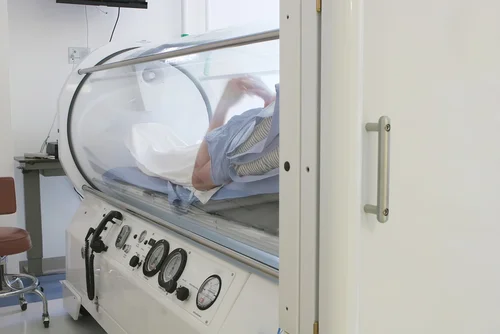
Hyperbaric therapy is frequently delivered through a chamber. “In a hyperbaric oxygen therapy chamber, the air pressure is increased to three times higher than normal air pressure. Under these conditions, your lungs can gather more oxygen than would be possible breathing pure oxygen at normal air pressure. Your blood carries this oxygen throughout your body. This helps fight bacteria and stimulate the release of substances called growth factors and stem cells, which promote healing.”[3]
In other words, hyperbaric oxygen therapy enriches your circulatory system with oxygen, where it is then delivered to tissues throughout the body. This flow then works in multiple ways. “Hyperbaric oxygen therapy:
Dissolves increased amounts of oxygen into the blood plasma.
Increases oxygen tension in hypoxic tissues.
Enhances white blood cell activity at the wound site.
Reduces edema by vasoconstriction.
Blocks cytotoxic effects of carbon monoxide and hypoxia associated with cyanide poisoning.
Accelerates formation of blood vessels (angiogenesis) and nerve endings in wounded tissue”[4]
The Benefits of Hyperbaric Oxygen Therapy
Hyperbaric oxygen therapy is extremely beneficial to the body back to health, as it “increases the dosage of oxygen and delivers more O2 to damaged areas in the body and stimulates the healing process.”[5] This therapy is also beneficial in that it:
assists healing by raising tissue oxygen levels to normal in areas where they are reduced through illness or injury.
encourages new blood vessels to grow and carry additional blood.
increases the ability of the body’s defense mechanisms to fight infection and kill bacteria.
helps reduce any swelling that may occur around the area.
Even more noteworthy, “20 sessions of hyperbaric therapy increases our stem cells eightfold!”
For More Information
Oxygen “is one of the most natural antibiotics and it controls over 8,000 genes,” thus explaining why oxygen-enriched therapies are so important in the fight against cancer.5Hyperbaric oxygen therapy is on the rise, and the prediction is that it will be integrated into more and more cancer treatments in the future. Dr. Jeffrey Niezgoda, president of the American College of Hyperbaric Medicine stated that “hyperbaric medicine is an incredibly powerful tool. It can be as helpful and therapeutic as a surgical scalpel in the right patient for the right indication. We’re seeing a rise in specialized wound and hyperbaric centers across the United States,” thus supporting its powerful ability to aid in cancer treatment, especially as an alternative medicine.[6]
CMN Alternative Cancer Treatment Hospital is a proud provider of hyperbaric oxygen therapy. To learn more about our comprehensive treatment plan or to schedule a video consultation with Dr. Payan at CMN Hospital please contact us.
References
[1]“Oxygen and Cancer.” Cancer Fighting Strategies.
[2]“The Science Behind Hyperbaric Therapy.” OxyHealth.
[3]“Hyperbaric Oxygen Therapy.” Mayo Clinic.
[4]“Hyperbaric Oxygen Therapy Fact Sheet.’ Kent Hospital.
[5]“Hyperbaric oxygen therapy for cancer patients.’ Natural Health 365.
[6]Olivero, Magaly. “Hospitals Tout Benefits of Hyperbaric Oxygen Therapy.”

What are Stem Cells?

Stem cells are fundamental components of every tissue and organ in your body. There are different types of stem cells, and they can originate from various places in the body; they are also formed at different times in our lives. Some of “these include embryonic stem cells that exist only at the earliest stages of development and various types of tissue-specific (or adult) stem cells that appear during fetal development and remain in our bodies throughout life.”[1]
Why are they important?
Stem cells have unique properties that make them extremely important. Specifically, stem cells hold the “remarkable potential to develop into many different cell types in the body during early life and growth. In addition, in many tissues they serve as a sort of internal repair system, dividing essentially without limit to replenish other cells.”[2] What this means is that “stem cells regularly divide to repair and replace worn out or damaged tissues,” thus working to maintain health and rejuvenation within the human body.
While stem cells are by nature unspecialized, they are also important because they can “give rise to specialized cells” via a process known as differentiation. [3] As such, a stem cell may start out in a universal context but can go “through several stages, becoming more specialized at each step,” thus taking on a more specific role in the body over time.
Stem Cells and Cancer Treatment
Stem cells are found throughout the body, but when used to treat cancer, there are 3 key sources [4] within the body. They are:
Bone marrow, from you or someone else
The bloodstream, from you or someone else
Umbilical cord blood from newborns
Stem cells are used for regenerative purposes in a treatment known as engraftment. During this process, stem cells are used via transplant, alone or in conjunction with other treatments, to “try to kill all the cancer cells. This treatment also kills the stem cells in the bone marrow. Soon after treatment, stem cells are given to replace those that were destroyed.” Stem cells are injected into the body intravenously, in a similar fashion to that of a “blood transfusion. Over time they settle in the bone marrow and begin to grow and make healthy blood cells.”
Future Potential of Stem Cells
As researchers continue to explore the properties of stem cells, major breakthroughs have the potential to occur. For example, stem cells “may soon become the basis for treating diseases such as Parkinson's disease, diabetes, heart failure, cerebral palsy, heart disease and host of other chronic ailments.” [5]
For More Information
The following video was taken from a TED-Ed lecture by Craig A. Kohn and features animation explaining what stem cells are and how powerful they can be in aiding the body’s healing.
For more information and resources provided during his lecture, click here or schedule a video consultation with Dr. Payan at CMN Hospital please contact us.
References

Artemisinin Fights Cancer

To schedule a video consultation with Dr. Payan at CMN Hospital please contact us.
Fighting cancer is an intricate process when done correctly; you want to target the cancer cells aggressively, especially in order to prevent metastasis, but you do not want to the harm healthy cells, especially to the point where your overall health becomes compromised. One Chinese herb, known as artemisinin, does exactly that: selectively targets cancer cells and destroys them while leaving healthy cells unaffected.[1]
Artemisinin as a Cancer-Fighting Medicine
Artemisinin’s original form is that of an extract, taken “from the sweet wormwood bush that was used in Chinese medicine as a fever cure for 500 or 600 years.”[2] Notably, “many studies have now been conducted to prove the sweet wormwood extract can effectively eradicate the disease in the presence of iron. In fact, its use dates back thousands of years in China where it was used to treat malaria. Like cancerous cells, the malaria parasite cannot live in the presence of artemisinin because they are iron-rich.” [3]
Artemisinin, therefore, works to fight cancer in a unique, yet purposeful fashion, by targeting the known characteristics of cancer cells and how they differ from normal, healthy cells in order to kill the cancer cells specifically. In this process:
“cancer cells express a large concentration of cell surface transferrin receptors that facilitate uptake of the plasma iron-carrying protein transferrin via endocytosis. By covalently tagging artemisinin to transferrin, artemisinin could be selectively picked up and concentrated by cancer cells. Furthermore, both artemisinin and iron would be transported into the cell in one package. Once an artemisinin-tagged transferrin molecule is endocytosed, iron is released and reacts with artemisinin moieties tagged to transferrin. The formation of free radicals kills the cancer cell… artemisinin-tagged transferrin is highly selective and potent in killing cancer cells. Thus, artemisinin and artemisinin-tagged iron-carrying compounds could be developed into powerful anticancer drugs.” [4]
Its ability to interact with iron is especially important because “most cancer cells need more iron than normal cells to replicate DNA” due to their tendency to multiply at an extremely accelerated pace.1When artemisinin interacts with iron, it essentially ‘fools’ the cancer cell; it “picks up the compound without knowing that a bomb – artemisinin – is hidden inside,” thus resulting in its demise.1Thus, artemisinin is an extremely medicine because it innately understands how cancer cells function and works directly in order to eliminate them; they do not compromise a patient’s immune system, or the integrity of their healthy cells, which are also needed in order to maintain the homeostatic environment needed for the best health possible. These results have been replicated several times, first at the University of Washington, and have proven to be especially effective in fighting breast cancer.
Patients with breast cancer can benefit very much from artemisinin-based treatments and therapies because of its’ unique relationship with iron; iron itself has a tendency to build up in breast tissue, in both healthy and cancer cells. When artemisinin is used, it kills the cancer cells while leaving the healthy cells alone. In one study, “it was found that artemisinin (the derivative), coupled with iron, can kill 98% of breast cancer cells in 16 hours. Alone, the herb caused a 28% reduction in breast cancer cells, but partnered with iron, the duo almost completely eliminated cancer. What may be even more interesting, normal cells were not negatively affected in this experiment by the treatment.” This differs from more traditional medicines such as radiation which just target entire groups of cells; because breast tissue is rich in cancer cells, the ability to distinguish healthy versus cancer cells is can make a major difference in how a patient feels during and after treatment.
Artemisinin has been scientifically proven to fight cancer cells while preserving the quality and integrity of normal, healthy cells. This unique substance can dramatically assist the body in the fight against cancer when it is chemically compounded and integrated into well-balanced treatment plans. CMN provides alternative cancer treatment that is rooted in compassion: we strive to be compassionate to you, the patient, and to your body, treating you with integrity and medicines that fight cancer while boosting the strength of your healthy cells. To get in touch with us regarding coming to CMN, you can contact us here o email us at info@cmnact.com; we look forward to assisting you!

References
[1]“Artemisinin could selectively kill cancer cells while leaving normal cells unharmed.” News Medical Life Sciences.2005.
[2]Lite, Jordan. “What is Artemisinin?” Scientific American.2008.
[3]Elizabeth, Erin. “This Chinese Herb (+ Iron) Kills Cancer Cells in 16 Hours.” Health Nut News.2017.
[4]Lai, H, Sasaki, T, and Singh, NP. “Targeted treatment of cancer with artemisinin and artemisinin-tagged iron-carrying compounds.” NCBI.2005.

Cancer Treatment Success
Understanding the Complexities of Cancer Treatment
At CMN Hospital, we understand that individuals with a cancer diagnosis often explore a wide range of therapies, especially if prior treatments have not yielded the desired results. Many patients turn to personalized therapies, such as Hoxsey Therapy, Gerson Therapy, or supplements they’ve researched online. While these approaches can be pursued with hope, it’s crucial to recognize that continuing treatments that haven’t produced recovery may warrant reflection.
The Importance of Reflecting on Treatment Choices
We want to assure you that if you’ve tried multiple therapies over the course of months or even years, there is no shame in having explored different options. However, it’s important to pause and reflect on the reasons for continuing treatments that have not brought about recovery. Sometimes, patients may continue because they fear changing course or letting go of familiar treatments. At CMN Hospital, we respect the choices you've made, but part of healing involves evaluating if a treatment is still benefiting your overall health or if it’s time to explore new, comprehensive approaches that can better support you.
Comprehensive Care at CMN Hospital
For those diagnosed with Stage 3 or Stage 4 cancer, Dr. Payan will develop a comprehensive protocol tailored to your specific needs. Our approach includes Dendritic Cell Therapy, Autologous Bone Marrow Stem Cell Treatment, and other supportive therapies. If patients continue with other therapies, such as Hoxsey or Mistletoe Extract, we respect their choice but want to clarify that Dr. Payan is not recommending these treatments within our protocol. This ensures that we provide evidence-based care, allowing patients the autonomy to choose their path while we monitor their health.
Challenges in Measuring Success Rates
Patients often search for success rates similar to those associated with drug studies, such as chemotherapy or radiation. However, personalized therapies do not go through the same rigorous clinical trials as pharmaceuticals, making it more difficult to track uniform success rates. Most of our patients arrive after having undergone multiple treatments, making it hard to isolate the effect of any one therapy. We encourage patients to reflect on whether continuing with certain treatments is serving their recovery or if it’s time to explore more comprehensive options.
Patient Choice and Comprehensive Care
If you’ve tried therapies like Fenbendazole, Apricot Seeds (Laetrile), GcMAF, Rick Simpson Oil (RSO), MMS (Miracle Mineral Solution), or other unproven treatments, we understand the motivation behind these choices. Our goal is to help you evaluate the results so far and decide on the most effective course moving forward. Dr. Payan provides a detailed treatment plan for all patients, but it’s essential to communicate openly about any other therapies you may be using. This helps us ensure that your care plan is safe and effective.
We encourage patients to have an open discussion with Dr. Payan about their prior treatments and diagnosis. Reflecting on these choices allows us to build a treatment plan that works for you while respecting the autonomy you’ve maintained in your healing journey. If treatments like RSO, Hydrogen Peroxide, or Mistletoe Extract haven’t brought the expected results, discussing this with Dr. Payan will help us tailor a comprehensive care plan for you.
Request a Complimentary Consultation
If you’re interested in learning more about how integrative therapies could complement your previous treatments, we invite you to request a complimentary consultation with Dr. Payan. During this video consultation, we’ll review your diagnosis, any prior treatments, and discuss how a comprehensive approach could support your healing journey. Additionally, we offer a free ebook detailing the scientific research behind therapies like Dendritic Cell Cancer Treatment and Autologous Bone Marrow Stem Cell Treatment, available at a fraction of the cost of similar treatments in the U.S.

Communicate with Your Doctor
Learn effective tips for open communication, preparing for oncology visits,

Strengthening the Patient-Doctor Relationship
The patient-doctor relationship is arguably the most important relationship during a cancer journey. Open communication and trust are the fundamental building blocks of this relationship, and it is important to feel as though you can discuss anything with them. Sometimes this relationship is difficult to nurture, as doctors may use complex, specific terminology or patients find themselves intimidated by their doctor’s expertise.
However, this could not be farther from the truth: good doctors want their patients to feel included and able to speak up at any point during the appointment. After all, it is your health and you are ultimately in control of that! To help prevent “white-coat brain lock” during your next appointment, here are some tips and tricks to take into consideration.
Prepare for Your Visit
Compile your medical records. Keeping a personal copy is easier now more than ever before, since most records are kept online. Make sure that your doctor has an updated version as well prior to your appointment. For tips on compiling your medical records, click here.
Do your homework. Write down any questions or topics you may want to discuss at your appointment as they come to you. Prioritize them, putting the main 2-4 questions you want to address at the top of your list.
Document your symptoms and medications. Keep a notebook dedicated to your medical notes. List your symptoms and medications (including dosages) and document any side effects or pain you experience.
During Your Visit
Be honest. Don’t minimize or downplay how you are feeling. Your doctor needs to know exactly how you feel to prescribe the right plan of action.
Bring someone with you. Having a loved one accompany you can provide moral support and help you remember details from the appointment.
Ask questions. If you don’t understand something, ask for clarification. Your doctor is there to guide you, so don’t be afraid to ask about side effects, options, or even “what happens if I do nothing?”
After Your Visit
Update your medical records. Take notes about what occurred during your visit, and keep your records up to date.
Follow-up. If your concerns weren’t fully addressed, ask for a follow-up appointment. Don’t hesitate to request another appointment to cover all your needs.
Stay in touch. Figure out the best way to communicate with your doctor between appointments and use it when needed. Each patient-doctor relationship is unique, and this is true for everyone, even those that have multiple doctors or specialists: no two relationships are identical. The underlying principles for every relationship, though, are trust and open communication. The tips listed above should serve as a guide to help you make the most of your appointment visits and facilitate efficient, effective communication with your doctor. Remember that you are in charge of your health, and your doctor is there to help you make the most of that. CMN Hospital is available to communicate with you. You may schedule a video consultation with Dr. Payan at CMN Hospital please contact us here.
1-844-371-1117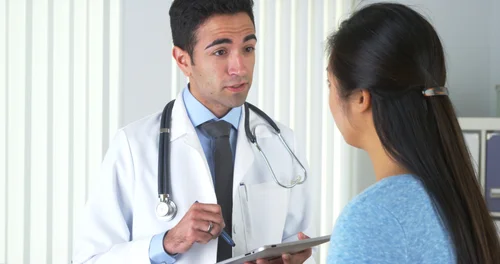
Each patient-doctor relationship is unique, and this is true for everyone, even those that have multiple doctors or specialists: no two relationships are identical. The underlying principles for every relationship, though, are trust and open communication. The tips listed above should serve as a guide to help you make the most of your appointment visits and facilitate efficient, effective communication with your doctor. Remember that you are in charge of your health, and your doctor is there to help you make the most of that.
CMN Hospital is available to communicate with you. You may schedule a video consultation with Dr. Payan at CMN Hospital please contact us here.
Glutathione's Healing Potential

Harnessing Glutathione's Healing Potential
Boosting The Immune System To Fight Cancer
Glutathione is a strong antioxidant found in our cells. It has gained attention for its potential in treating cancer. Instead of directly attacking cancer cells, recent studies suggest that using glutathione to enhance the immune system may assist in fighting cancer. The immune system is crucial in identifying and eliminating abnormal cells, including cancer cells. However, tumor cells can be clever and find ways to evade detection and destruction by the immune system.
Glutathione is a powerful substance that helps prevent diseases, manage cancer, and support metabolic health. The researcher's focus is to understand how to improve cancer treatments by studying how the immune system fights against cancer. Glutathione is also important for helping the body eliminate toxins and supporting the immune system. However, cancer cells can change and become harder to detect because of the pressure from the immune system.
Glutathione is very important in the body because it helps our immune system fight against cancer. Research has shown that glutathione improves the performance of different immune cells that find and eliminate cancer cells. It helps activate natural killer cells, which are key in recognizing and destroying harmful cells. Glutathione also boosts T-cells' activity and promotes cytokine production, which controls immune responses.
"The role of glutathione in your bodys detoxification system is vital." [3] "Glutathione supports immune function by enhancing the activity of immune cells and promoting the production of cytokines, which are important for immune response." [2] "Natural killer cells play an important and complex role in the immune response to cancer (Stabile 2017)." [4] "The protein is antimicrobial, stimulates the immune response, reduces inflammation, and promotes wound healing (Albar 2014; Hao 2018)." [4]
By increasing intracellular glutathione levels through various means, such as diet modifications or supplementation, researchers aim to strengthen the immune system's ability to recognize and eliminate cancerous cells effectively. This approach offers a promising avenue for developing complementary therapies that work alongside conventional treatments like chemotherapy or radiation.
"According to a recent studies, whey protein is the ideal supplement to help naturally increase glutathione for both fighting cancer, strengthening the immune system, increasing metabolism and reducing appetite." [5] "It is often used as a complementary therapy alongside conventional treatments such as chemotherapy and radiation therapy." [2]
Glutathione As An Adjunctive Therapy:
Enhancing Traditional Cancer Treatments
Glutathione, a naturally occurring antioxidant found in our cells, has gained significant attention as a potential adjunctive therapy for cancer treatment. While it is not a standalone cure for cancer, research suggests that glutathione supplementation can enhance the effectiveness of traditional cancer treatments. One of the key benefits of glutathione lies in its ability to support the immune system. Cancer patients often experience compromised immune function due to the disease itself and aggressive treatments like chemotherapy or radiation.
"One such supplement that is gaining popularity for cancer treatment is Glutathione, a powerful antioxidant that exists naturally in our bodies in various forms." [6] "Research on the effectiveness of glutathione in cancer treatment is ongoing, and more studies are needed to establish its role." [2] "NAC is not a cure-all, but it may support a healthy immune system via its role as a precursor to glutathione." [7] "Cancer patients often go through radiation and chemotherapy, which, coupled with stress associated with the disease, lowers the level of glutathione in the body." [8]
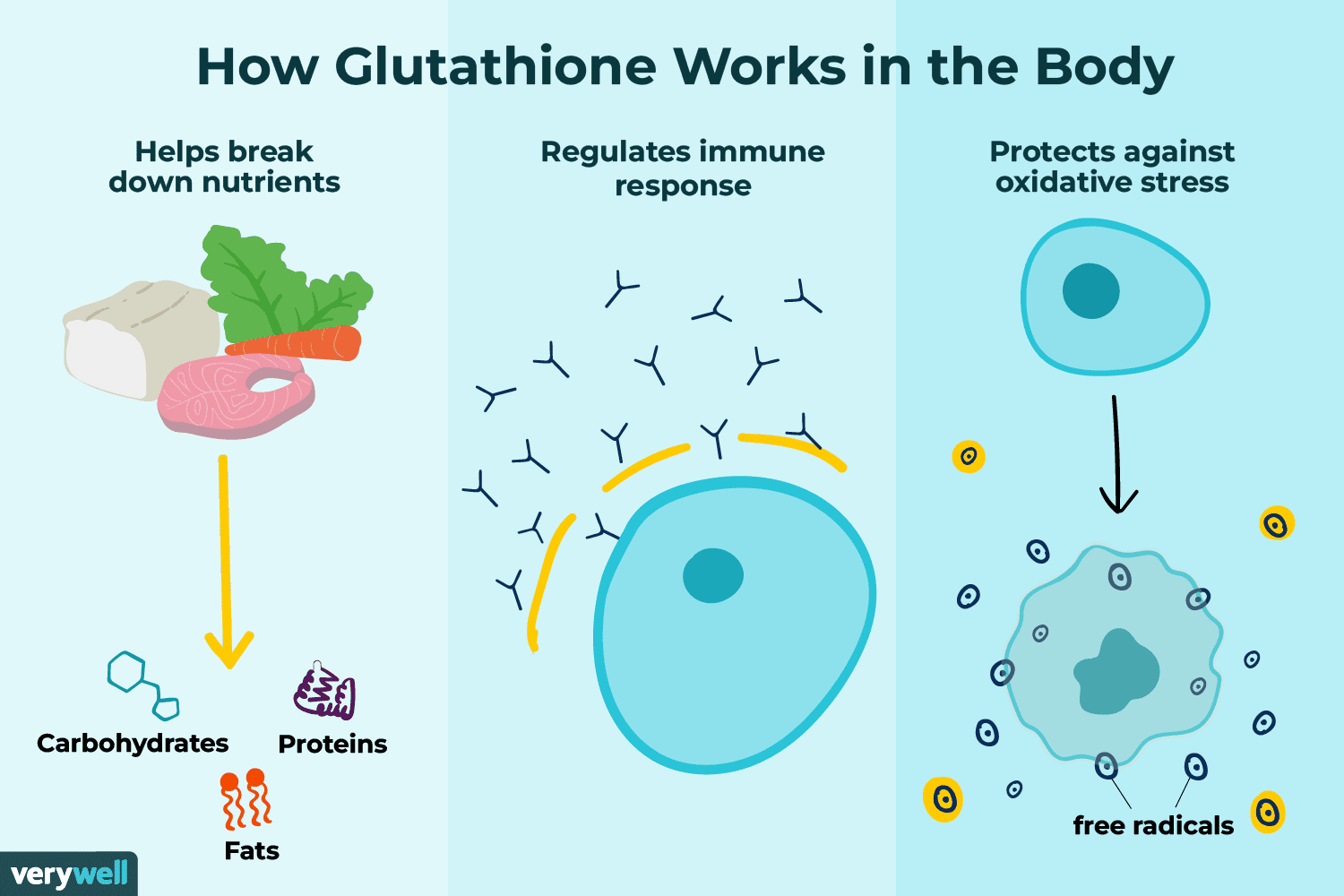
Glutathione helps boost the immune system by neutralizing harmful free radicals and promoting cell detoxification processes. By strengthening immunity, it can assist patients in tolerating conventional therapies better and reducing treatment-related side effects. Furthermore, glutathione's role in cellular repair and DNA synthesis makes it invaluable during cancer treatment. It aids in repairing damaged cells caused by radiation or chemotherapy while protecting healthy cells from further harm.
Unveiling The Mechanisms:
How Glutathione Facilitates Healing In Cancer Patients
Glutathione, a powerful antioxidant present in every cell of our body, has emerged as a promising agent in cancer treatment. Numerous studies have shed light on its ability to facilitate healing and enhance the outcomes for cancer patients. This subtopic aims to unravel the underlying mechanisms by which glutathione exerts its therapeutic effects. Firstly, glutathione plays a crucial role in detoxification.
"It already exists in every cell and is a powerful antioxidant and detoxifying agent." [13] "As an adjunct, a daily IV dose of 3-10 gram significantly extended the survival and improved the quality of life of cancer patients in numerous studies." [14] "This might serve as a rationale to design treatment and boost therapeutic effect of anticancer agents." [15] "MSMs sulfur also plays an important role in the production of glutathione."
Binding and neutralizing harmful toxins and carcinogens helps prevent DNA damage and reduces the risk of cancer development. Additionally, it aids in the elimination of free radicals that can cause oxidative stress, which is closely linked to cancer initiation and progression. Moreover, glutathione is involved in immune modulation. Cancer cells often evade immune surveillance mechanisms; however, glutathione helps restore immune function by enhancing natural killer cell activity and promoting cytokine production.
https://www.oncotarget.com/article/13723/text/
What's Right for You

You are not a statistic: you are unique, and so is your cancer diagnosis. You have preferences, concerns, goals, and motivating factors that are unique to you, and your cancer treatment should reflect that. You should find a hospital that understands and prioritizes that when creating and implementing your cancer treatment plan.
Things to Consider
While each individual will find more factors more important than others or come up with different ones entirely on their own, here are some things to consider when choosing a hospital for your cancer treatment:
Quality over Quantity
As we've touched on before, statistics don't fully capture the essence of a situation. It's the quality of care you'll receive that truly matters. Remember, you are unique and deserve to be acknowledged as such. When choosing a hospital, consider whether it offers the personalized care you seek. The ideal hospital will see you as a person, not just another medical chart.
At CMN Hospital, our exclusive cancer wing, for the ACT program, emphasizes the quality of your treatment above all. We avoid the revolving door approach to patient care, as we believe in providing time, attention, and compassionate care to each individual on their cancer journey. Our commitment is to foster an environment where you feel truly cared for, an environment that recognizes treating patients en masse doesn't allow for the personalized and compassionate care everyone deserves.
Doctors first, location second
Choosing the right hospital for treatment goes beyond just location; it's about finding the right medical team. Your doctors play a crucial role in your journey, working closely with you to formulate and execute your treatment plan. It's essential to have a team you trust, one that sees you as a priority. The best doctors take the time to listen, ensuring you never feel rushed. Remember, you deserve compassionate care where you always feel supported and heard.
Our doctors excel in creating deep connections with their patients, understanding the complex and significant journey of battling cancer. They approach treatment holistically, targeting the disease on all fronts while supporting your mental and emotional resilience. To them, you're not just a patient, but a unique individual deserving of compassionate and respectful care. Our doctors are committed to being there for you, offering reliability and support even beyond your scheduled appointments or treatments.

Collaboration among doctors across disciplines
Rarely are cancer patients treated by a singular doctor; rather, they have a team of specialists working with and for them on their cancer journey, many of whom work under different disciplines. As such, when choosing a hospital, it is important to learn about how often the doctors communicate, and the way in which they choose to do so. Do they meet monthly to discuss their individual patients or send frequent emails? Do they wait to talk until a problem arises? This is a major factor to consider, as it can prevent problems in the future due to the doctors of your team being unable to communicate with each other. As such, look for a hospital that makes it a priority and a habit to communicate across disciplines.
At CMN, our doctors function as a team: not a day goes by that they are not communicating with each other. They do this not because they have to, but because they each enjoy what they do: they have a passion for cancer care and this is translated into their everyday activities. They are deeply engaged in what they do, and this attitude is infectious, which results in a positive work environment that encourages and supports constant communication, effective collaboration, and a team “can do” attitude.
Pain management and specialists
A major concern that most patients have is how their pain will be managed, or even eradicated through the proper combination of medication and treatments. When choosing a hospital, it is imperative to choose one that makes your pain management their number one priority. You should neverbe in unbearable or exceptional pain during your treatments, and doctors should be mindful of this without you having to ask.
CMN’s pain doctor, Dr. Octavio Campa, is a leader in pain management and sets the standards high; to learn more about him, and other members of our staff, click here.
Multifaceted approach to treatment
Cancer treatment is not just about focusing on the physical ailments: does this hospital provide treatment that tends to your mental and emotional wellbeing? Choosing a hospital that takes care and consideration for how you are truly feeling mentally, emotionally, and physically – the whole package – will likely be more attentive overall. The right facility will understand that and make effort to address and treat any mental or emotional side effects that you are feeling as you embark on your cancer treatment. This may include having a staff that is eager and willing to listen to you vent, give you a hug, or provide moral support with positive words of encouragement. Find a hospital that will treat you like a well-rounded, multidimensional human being, not just another cancer patient.
CMN stands for compassionate care; as such, we treat patients physically, emotionally, and mentally. We are constantly tending to our patients from the minute they arrive to well beyond after they leave (through check ins and support calls), and we know that the mental ability to fight plays a major role in the cancer battle. To learn about some of the treatments we offer, click here or contact us here.
Cancer community and support system
Another factor you should consider when choosing a hospital is whether or not there is a community or support system available for you. Are the nurses just there to do their job and then leave, or do they truly care about you? Are they going to bond with you and be your second family? Having the hospital community become a second support system for you can increase your comfort levels, ease your anxiety, and make a major difference in your mental and emotional outlook during treatment. Further, does the hospital work with your family member to make them feel involved? Finding a hospital that will help your family stay involved in your treatment (such as extending visiting hours if you were getting treatment earlier), or helping them find a nearby hotel to visit, can make a major difference in how comfortable you feel during your stay.
CMN takes purposeful steps to create a cancer community within the hospital: our medical team and staff all have the same core values, the main one being giving you the best, most well-rounded treatment possible. Further, our hospital is designed so that our cancer unit is housed in a designated wing. Our patients are not sprinkled recklessly throughout the hospital; this is done partially to help protect their immune systems, but also to help create a sense of community. You will be surrounded by other patients who are fighting similar battles, and you will be able to bond with them at your choosing (we also respect the privacy of our patients and take steps to ensure each patient is given as much privacy as they desire), helping you to create your own support community while you are staying at the hospital.
Your faith, trust, and involvement
The underlying principle throughout this blog is you: you are ultimately in charge of your treatment, and that includes choosing a hospital, but more importantly than that, you need to feel in charge of your situation. Whatever hospital you choose, you must put your faith and trust into the institution. The hospital you choose should respect that and reciprocate the feelings by deeply involving you in the process. This means that they should be available to answer any and all of your questions, treat you like family, and make your comfort high on their priority list.
For More Information
CMN Hospital provides exceptional alternative cancer treatment and is available for to communicate with you about coming to our hospital. To contact us, email us at info@cmnact.com or click here for other ways to contact us through your preferred method of communication.