
Healing Science Breakthroughs
Exploring New Paths to Cancer Recovery

Naltrexone for Cancer

To schedule a video consultation with Dr. Payan at CMN Hospital please contact us.
One of the most common concerns we hear voiced by potential patients is that they do not want to feel pain; it is a common misconception that alternative cancer treatments do not integrate the same or similar pain management techniques used by traditional hospitals. This could not be further from the truth, especially at CMN. Part of what makes us an alternative treatment hospital is that all of our treatments, actions, and interactions revolve around multi-dimensional compassionate care. Pain management is our priority, and we go to great lengths to assure that our methods are top of the line and cutting edge. At CMN, pain-free is the way to be, and this is why, when appropriate, we incorporate low-dosage naltrexone (LDN).
Assessing and Treating Patient Pain
One of the first concerns breast cancer patients have when they are diagnosed with cancer is that they do not want to feel unnecessary or heavy amounts of pain, and this concern is expressed consistently throughout their treatment protocol. Studies have shown that “patients and their families tend to be under great distress after the diagnosis of cancer. Although many of these patients carry a very poor prognosis, prompt and effective pain control can prevent needless suffering, may significantly improve the quality of their lives, and may potentially spare families the feeling of helplessness and despair… there should be no reason to deny a patient the opportunity to live productively and free of pain.”[1]
Medically:
“There are two types of pain: nociceptive pain and neuropathic pain. Nociceptive pain stimulus is transmitted by peripheral nerves from specialized pain receptors, called nociceptors, whose function is to report any injury, which in cancer patients is usually secondary to the invasion of tumor into bone, joints, or connective tissue. Nociceptive pain can be somatic (usually sharp or dull well-localized aching or squeezing sensation), visceral (usually poor-localized deep pressure-like sensation), and associated with invasive procedures… Neuropathic pain, on the other hand, results from mechanical or metabolic injury to the nervous system itself, either centrally or peripherally, and is generally associated with mishandling of incoming somatosensory stimuli. In patients with advanced cancer, this can be a result of tumor infiltration of nerves or nerve roots, as well as iatrogenic in nature as a result of exposure to chemotherapeutic agents or radiation therapy.”
In order to minimize, and possibly eliminate, pain, it is crucial that your medical team frequently and consistently engage in comprehensive pain assessment. This “is one of the most important initial steps for successful management of cancer pain. It is recommended that pain should be evaluated at every clinical visit and incorporated as the ‘fifth vital sign.’ Ideally, the assessment should target the severity, duration, quality, and location of the pain. Reports of pain made by the patient should be the primary source of pain assessment and should be obtained at periodic intervals. Periodic monitoring may include, but is not limited to a patient’s verbal report of treatment efficacy and any side effects associated with pain management.” With comprehensive pain assessment, patients are given the platform necessary in order to voice the details of their pain, and proper steps are taken to minimize or eliminate the pain. “Pain checks” occur regularly, and when something is not working, it is fixed immediately; procrastinating a change of pain management is extremely unhelpful, not to mention that it goes directly against the fundamental values of compassionate care.
Further, in order to be effective, “it is important for the clinician to inquire about how the pain has affected patient’s daily activities and relationships with others.” This is because pain management is not just about eliminating physical symptoms; when administered correctly, pain management assures that a patient has the proper quality of life, including their ability to socialize and engage in the activities they need and desire to.
Naltrexone in Practice:
How it Impacts Breast Cancer Treatment
Naltrexone is most commonly known as a drug used to treat opiate addiction, although its chemical makeup and effects make it a legitimate cancer treatment when administered in a low dosage. As such, naltrexone is often referred to as LDN, or low-dose naltrexone, when discussed in relation to cancer treatment. This is because the proper dosage for cancer patients is around 3 milligrams to 4.5 milligrams, rather than the 50-milligram dosage prescribed for recovering addicts.[2]
Low dosage naltrexone helps cancer patients by directly impacting tumor growth. This is done in one of three possible ways:
By inducing increases of metenkephalin (an endorphin produced in large amounts in the adrenal medulla) and beta-endorphin in the bloodstream;
By inducing an increase in the number and density of opiate receptors on the tumor cell membranes, thereby making them more responsive to the growth-inhibiting effects of the already-present levels of endorphins, which induce apoptosis (cell death) in the cancer cells; and
By increasing the natural killer (NK) cell numbers and NK cell activity and lymphocyte activated CD8 numbers, which are quite responsive to increased levels of endorphins.
Further, low doses of naltrexone help to minimize patients’ pain by “increasing endorphins, which are the ‘feel good’ peptides that are produced during activities such as exercise. Endorphins are responsible for the runner’s high, and in addition to improving well-being, they also improve immune system function,” thus further assisting cancer patients in fighting cancer.
Low-dosage naltrexone is most commonly given to patients at bedtime; this is purposefully done in order to help patients get the highest quality of comfortable sleep possible. A proper night of sleep without restlessness, tossing and turning, or bursts of waking up due to uncontrolled pain are priceless and entirely achievable. Don’t accept any less; know your worth as a person, and demand proper care. Your pain management specialist should know what is needed in order to keep you pain-free as often as possible; Dr. Octavio Campa does!
For More Information
CMN provides alternative cancer treatment that is rooted in compassion: we strive to be compassionate to you, the patient, and to your body, treating you with integrity and medicines that fight the cancer while boosting the strength of your healthy cells. Naltrexone, when used at a low dosage, helps to reduce symptom severity, helping to manage pain and make patients feel more comfortable. To get in touch with us regarding coming to CMN, as well as the other steps we take to ensure pain-free yet aggressive treatment, you can contact us here; we look forward to talking with you!
References
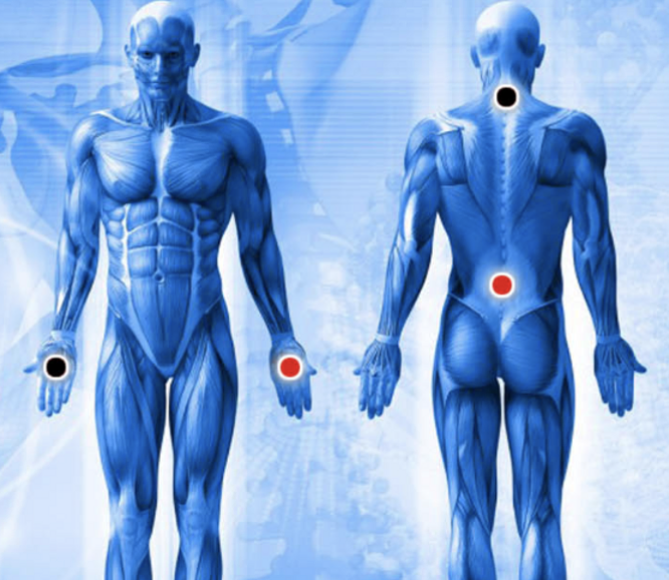
Biomagnetism

Dr. Payan Has Been a Certified Practitioner in Medical Biomagnetism Since 2005.
To schedule a video consultation with Dr. Payan at CMN Hospital please contact us.
Biomagnetic Pair is a therapeutic system developed by Dr. Isaac Goiz in 1988. With the use of strong magnets, parasites, bacteria, fungi, viruses, and other disease-causing germs can be restored to an energetic balance and working work towards harmonizing emotional states. Biomagnetic Pairing differs from traditional medicine in its approach to wellness and is compatible with conventional or alternative healing modalities. Biomagnetism is a health approach to bio-energetic balance in the human body, known as “homeostasis,; an organism's ability to regulate various physiological processes to keep internal states steady and balanced
Biomagnetic pairing involves the precise and proper (North/South polarity) placement of unique high field strength magnets on specific body areas to regulate pH in these areas. Adequate pH, homeostasis can be reestablished so the body can heal itself.
The biomagnetic system is based on recognizing the existence of altered energy points within human organisms which, when combined, can cause disease. The surveying of the points is done with magnets placed on different areas of the human body, becoming the scanning or biomagnetic scan.
Biomagnetism therapy stimulates the immune system has to increase circulation and oxygenation, normalizing response to reduce inflammation and many more healing effects on the body. It is commonly known that pH imbalances may contribute to developing symptoms, syndromes, and other health conditions in the body.
Dr. Isaac Goiz Duran
Dr. Isaac Goiz Duran, the founder of Biomagnetism while working at the National Institute of Pulmonology of Mexico in 1979, was motivated to incorporate alternative medicine such as acupuncture when severe cuts in the hospital budget were made. These changes convinced him of the existence of effective alternative therapeutic solutions.
In 1988 Dr. Goiz discovered the Biomagnetic Pair approach, a new way to fight viruses and to inhibit their presence in the body. This approach provides a methodology to explain diseases and their definitive cure from an energetic point of view.
Dr. Goiz and his work are sponsored by The Autonomous University of Chapingo in Mexico and The National University of Loja in Ecuador. He has three books, “The Biomagnetic Pair,” “Aids is Curable,” and “The Tumor Phenomenon,” which help piece together all the facets of these illnesses by navigating various sciences such as chemistry, physics, and organic chemistry.

References
https://www.verywellmind.com/
http://www.shiatsutoronto.org/
https://www.biomagnetictherapydenver.com/
http://www.shiatsutoronto.org/what-is-biomagnetic-pair-therapy/how-does-biomagnetic-pair-therapy-work/
https://www.biomagnetismtherapy.org/
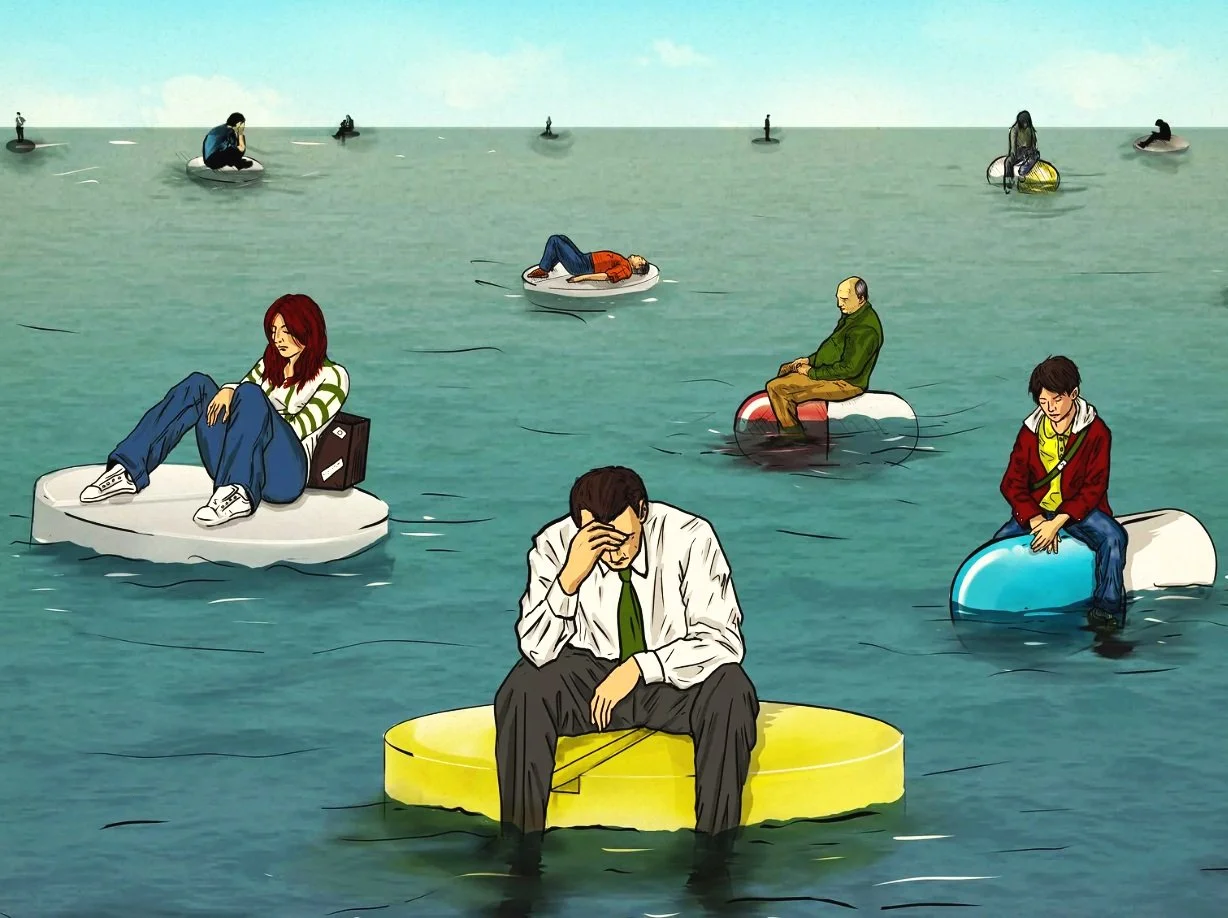
Long COVID

What is Long COVID?
COVID-19 (coronavirus disease 2019) is an illness caused by a virus. Many people get better within a few days or weeks after being infected with the virus. But others have post-COVID conditions. They may:
Have symptoms that linger for weeks, months, or even years
Seem to recover from COVID-19 but then see their symptoms return
Develop new symptoms or new health conditions within a few months of having COVID-19
There are several other names for post-COVID conditions. It is often called long COVID. But it can also be called long-haul COVID, long-term effects of COVID, chronic COVID, post-acute COVID-19, and post-acute sequelae of SARS-CoV-2 (PASC). The effects of COVID-19 can be long-lasting, even after the initial infection has passed. Post-COVID conditions can persist for weeks, months, or even longer (Years) and can affect people of all ages and backgrounds. While most people will recover from post-COVID conditions over time, some may experience ongoing symptoms that can significantly impact their quality of life. If you're experiencing post-COVID symptoms, you're not alone.
Symptoms
Difficulty thinking or concentrating (sometimes referred to as “brain fog”)
Headache.
Sleep problems.
Dizziness when you stand up (lightheadedness)
Pins-and-needles feelings.
Change in smell or taste.
Depression or anxiety.
Nausea
Loss of appetite
Stomach aches
Changes to the sense of smell or taste
Sleep Disturbances
Vision
Persistent cough
Exhaustion after little exertion
Fatigue
Hypoxia (low levels of oxygen in tissues throughout the body)
Shortness of breath
Long COVID Research
Thursday, May 25, 2023
NIH-funded research effort identifies the most common symptoms, potential subgroups, and initial symptom-based scoring system – to improve future diagnostics and treatment. Initial findings from a study of nearly 10,000 Americans, many of whom had COVID-19, have uncovered new details about long COVID, the post-infection set of conditions that can affect nearly every tissue and organ in the body. Clinical symptoms can vary, including fatigue, brain fog, and dizziness, lasting for months or years after a person has COVID-19. The research team, funded by the National Institutes of Health, also found that long COVID was more common and severe in study participants infected before the 2021 Omicron variant.
The effects of COVID-19 can be long-lasting, even after the initial infection has passed. Post-COVID conditions can persist for several weeks, months, or even longer and can affect people of all ages and backgrounds. Diagnosing these conditions can be challenging, as there's no specific test to identify them. CMN Hospital’s physicians will review your medical history and examine you to determine if you're experiencing post-COVID symptoms.
While most people will gradually recover from post-COVID conditions over time, some may experience ongoing symptoms that can significantly impact their quality of life. If you're experiencing post-COVID symptoms, you're not alone. We are here to help you manage your symptoms and return to feeling like yourself again.

Be in Charge

Fast Facts
A personal medical record combines all of the medical information collected by each facility or doctor involved in your care into a single file that is easily accessible.
Personal records should include test results, treatment reports, and notes from each hospital, clinic, or health care provider you have visited.
Federal law requires doctors and medical facilities to allow patients access to their medical records.
Hard-copy files of medical information should be kept in a safe deposit box or fireproof home safe, while online files should be password protected and backed up onto a CD, flash drive, or password-protected cloud.
Keeping track of your personal medical information is an important step in managing your care.
Having a compilation of your test results, treatment reports, and the chart notes written at your reports allows you to maintain a comprehensive record of your medical history, especially if you visit more than one doctor.
It is smart to maintain up-to-date personal copies of your own records. This is your personal information, and having this gives you the power to be your own medical advocate. Here are some very good reasons to be proactive and organized about maintaining records for yourself.
If you need a medical record from a certain time and date, you have it filed away and it is always available when you need it.
Should you decide to see a new doctor, you can bring your complete medical records and ensure that you have the best care possible. Your comprehensive health records tell a story that is much more easily understood than trying to remember dates and symptoms at your new appointment.
If you have had side effects or any complications with surgeries or other procedures, they will be clearly marked in your records. Doctors may also add notes after your visits that you deserve to have copies of.
Sometimes when we go through a traumatic illness, (especially as children) we may forget the minute details because we want to put the experiences past us. These records allow our doctors to be fully informed of our medical history without having to relive the experiences.
Having all of our medical records in a singular, easily accessible location is an asset to our children. Genetics tend to play a large role in certain medical conditions, and the ability to hand down medical records is priceless. Allowing them the opportunity to recall what treatments worked well could help in their healing processes as well.
There is something to be said about the comfort of our own homes, especially in contrast to new doctors’ offices. Having a personal copy of your medical records allows you the ability to sit and go over them carefully in the comfort of your own home.
Having a personal copy of your medical records is empowering. Being able to read them whenever you choose – without needing to fill out a request form, and then wait for processing – is your right as a patient.
Having your own copy can also be a great help with managing insurance claims. The process of keeping track of what is paid and not paid can be simplified when you can look at the policies and your records at the same time. This also applies to legal matters.
Further, you may be eligible for new insurance benefits, and being able to match your medical records to such policies can benefit you.
If you have had cancer in the past, a recurrence of cancer gives new doctors details. You might have moved and the stress of the diagnosis causes an overwhelming feeling. Having the records, and being able to share them at your own will, makes the situation more contended.
What are considered medical records when a hospital asks?
It depends on the reason and the hospital. The hospital will usually tell you what they are looking for.
If it is cancer recurrence:
It is best to have your diagnosis, cancer type, and what stage if there is metastasis.
What were the date you were diagnosed and the date of recurrence?
Homeopathic treatments
Copies of any radiology, diagnostic, blood work, and other lab and pathology from any surgery (biopsy, lumpectomy, etc.)
Complete treatment information, such as chemotherapy drug names, doses, radiation sites, and doses of radiation therapy, surgery, and hormone therapy - anything that was prescribed for treatment.
Treatment Start dates and end dates and if you are still on the therapies
Complications, side effects
List of medications or procedures used to treat side effects and pain, nausea, other types of care, such as physical therapy and nutritional support.
Treating physician and specialist contact information including psychologist, psychiatrist, etc.
Hospitalizations
Surgeries
Most hospitals provide access to medical records through secured online portals. However, because this is a somewhat new system, not all hospitals have transitioned to ‘being online.’ Should that be the case, know your power and act upon your rights. Formally request a copy of your records from the hospital directly, and they will help you.
In Summary
Remember to organize your personal medical records and keep them secure. Put them in a safe deposit box, or home safe. Online records should have a password that no one can figure out. It is wise to have one person you can trust to give a copy of the most important medical information to in case of an emergency. Look at the process of compiling your medical records as one of empowerment; you are in charge, and you deserve to have the entirety of your medical history documented and available at your desire or need.
To schedule a video consultation with Dr. Payan at CMN Hospital please contact us.

Finding Strength in Fear

Oftentimes we hear from our patients – prospective and current – as well as their family members that they are afraid or that their diagnosis has them feeling fearful. This reaction is completely rational, and we often tell them that their feelings are valid and it is important to recognize the validity of their emotions.
What we also tell them, and what we would like to share with you today, is the science behind fear and how you can transform it into something powerful: strength.
What exactly is fear?
Fear is an emotion we feel at various times throughout our life; sometimes, a child will walk into a room quietly without us hearing, only to tug at our shirt, eliciting a frightened response. Other times, we watch suspenseful movies and receive fearful thrills throughout. Fear comes through many events, whether we seek it out or not. Fear itself has scientific and rational roots, as it “fear is an adaptive behavior that we have to help identify threats. It is an ability that has allowed us as humans to survive predators and natural disasters.”[1] We can elicit fear as a response because it has helped our ancestors survive the past thousands of years; fear is a powerful skill that helps us recognize unfamiliar situations in that we don’t have an automatic or instinctual response.
Courage usually follows fear; if we cannot avoid what we are afraid of, we utilize our courage to face the fear and then move on. As described in Scientific American, neuroscientists recently discovered that “the mechanics of courage in the brain … involves a competition. When fear reaches a certain threshold, pushing both your subjective feeling of it and your bodily sweat, you would succumb. Your amygdala drives that fear, but internal disagreement overcomes it. The agent behind this disagreement is the sgACC. It acts to control and suppress bodily fear responses and sends nerve projections into the amygdala that shut it down.”[2] This is significant because knowing the biological and chemical ways in which the brain responds to fearful situations can help to combat it - to eliminate the fear or assist the brain in recognizing and minimizing the fear, thus making strides to move past it.
You have the power to transform your fear.
The same study mentioned above, found in Scientific American, describes how the transition from fear to courage occurs within yourself: “what matters is that we have seen courage at work in the brain, and we all have the same basic neural equipment. From this point on, it’s up to us.”
As such, we have compiled a few tips to help you turn your fear into courage and, in turn, recognize the power that you have as an individual and the leader of your future:
Self-reflect. Talk positively to yourself, and give yourself the time you need to fully comprehend the situation that you are in, as well as why you believe you are feeling fearful.
Recognize that your fear is an opportunity for growth. After your reflection, make sure that you see your situation as a time for improvement rather than a fearful predicament. This will allow you to become a better person, closer to who you ultimately want to be, and therefore you should embrace the situation for all it is worth. You may feel fear, but it will help you become stronger.
Tap into your support community. Here at CMN, we firmly believe in the power of surrounding yourself with a positive community of loved ones– regardless of if you are blood-related. They are there for you through thick and thin, so don’t hesitate to ask for help. Maybe you want to talk, a hug, or someone else’s opinion on the matter. Whatever the reason, know that your community is there for you unconditionally.
Make a decision. If your situation requires you to make a decision, such as choosing a hospital for cancer treatments, make the decision. There is time for reflection, but you also need to act. Sometimes we put off deciding because we want to be entirely sure or we want the timing to be right, but after a certain point, you must decide. Trust yourself, and make the jump! You are stronger than you think you are.
Celebrate yourself! Congratulations, you have faced your fear with courage, dignity, strength, and grace! Facing your fears is no easy task, but once you have, feel empowered and reflect on the process. You deserve it!
Want more information? Contact us!
CMN takes extra steps to ensure that all of our patients feel comfortable throughout their stay with us, as well as before and after. We believe in compassionate care, including mental and emotional support. Your emotions, concerns, and thoughts are valid, and we would love to talk to you about coming to CMN to get treatment. You can email us at info@cmnact.com; click here for other ways to contact us at your convenience.
References
[1]Kounang, Nadia. “What is the science behind fear?” CNN.2015.
[2]Schiller, Daniela. “Snakes in the MRI Machine: A Study of Courage.” Scientific American.2010.
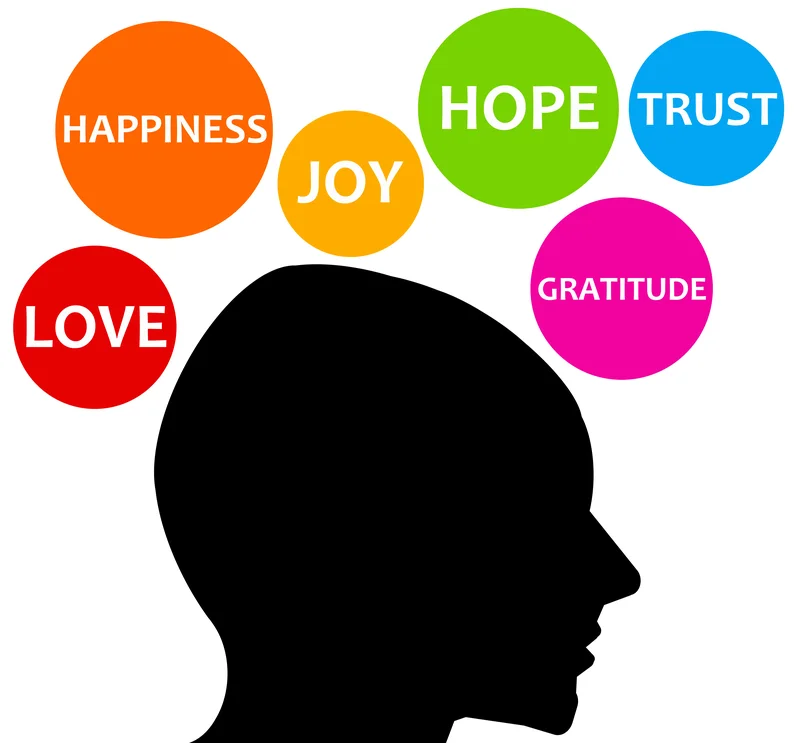
Emotional Wellbeing
To schedule a video consultation with Dr. Payan at CMN Hospital please contact us.
CMN has consistently stressed the importance of mental and emotional health; it comprises the foundation of our treatments, which are centered on multi-dimensional care that targets more than just your physical health. This isn’t just because our doctors care about you as a whole; science shows that there are definite links between mental health and cancer care.
Mental Health and the Cancer Connection:
What Studies Revealed
Mental health is most commonly defined as “the condition of being sound mentally and emotionally,” whereas CMN takes the definition a bit further.[1] We recognize mental and emotional health as fluid; that is, it is subject to change over time, especially during the cancer journey. Our experience as a specialized cancer treatment facility over the last 30 years, coupled with repeated scientific evidence, shows that proper mental and emotional care can greatly impact cancer treatment and healing.
For example, “several epidemiological studies have shown that social and emotional support can protect against premature mortality, prevent illness, and aid recovery. It is plausible that these could act by reducing emotional distress. Various different types of study have suggested that as important for health as income differentials is social capital—that is, features of social organization (civic participation, social trust) that facilitate cooperation for mutual benefit.”[2] This study found that positive social ties, referred to as social capital due to the investment one makes in their relationships, increase mental health and positive feelings. They can then be equated to a better picture of health, because invests in a social relationship and receive positive affirmations as well as feelings of love and support, they are more likely to report that they feel well than those who do not interact with others as often.
Cancer is a non-discriminatory disease in regards to mental and emotional health; not only is the patient affected, but so are the loved ones that make up the patient’s cancer support community group. Studies have shown that this is rarely if ever, taken into account in traditional treatment programs, as “numerous cancer survivors and their caregivers report that cancer care providers did not understand their psychosocial needs, failed to recognize and adequately address depression and other symptoms of stress, were unaware of or did not refer them to available resources, and generally did not consider psychosocial support to be an integral part of quality cancer care.”[3] This is unacceptable. Regardless of a hospital’s treatment type, whether it be traditional or alternative, comprehensive care must be an absolute priority – this includes adequate mental and emotional support and treatments, ranging from open communication sessions to art therapy. When you are giving your all to fight cancer, you should be receiving as much support as possible. The right hospital will see all problems, regardless of if they are physical, mental, or emotional, the same and make the same effort to treat them; they will not belittle, ignore, or offset them. Your health is multi-dimensional and deserves to be treated with the highest levels of care, respect, and attention possible.
In continuation, “one of these studies examined the relationship between income differentials and responses to the question “Do you think that most people would try to take advantage of you if they got the chance?” in a representative survey. The collective response of communities to these questions predicted age-adjusted mortality rates better than the Robin Hood index, a well-validated measure of income differentials.” These findings are significant because they reveal how accurate social interactions and their subsequent influence on one’s emotional and mental wellbeing can be in predicting health. Those who felt that others would not take advantage of them, meaning that they had a positive, equal relationship with others, were more likely to live longer, healthier, well-rounded, and fulfilled lives. CMN takes research like this into consideration, as we allow our patients to bring a support person with them when they come to get treatment at our facility; we know how important your cancer support community is and make efforts to help you include them in your journey at your discretion: you can invite them to stay with you, or visit, or keep contact to written and verbal communication.
How CMN is Different:
Incorporating Mental and Emotional Health
into our Treatment Programs
CMN has and always will stand by our patients. We value you and your opinions first and foremost; we believe in order to fight cancer, we must work as a team. Your health is our priority, and that includes your mental and emotional wellbeing. We have worked endlessly to provide cutting-edge treatments that fight cancer aggressively, but we understand that this is only part of the picture, so we incorporate mental and emotional treatments, workshops, and activities to stimulate healing and growth – on your own terms, at your own pace. We respect your privacy and the fact that each patient has different needs, desires, and goals. We vow to work with you; respect, communication, and teamwork are some of our fundamental values, and we keep these in mind with each activity we coordinate. At CMN, you have a voice and we honor that each and every day.
To Contact Us
CMN Hospital provides alternative cancer treatment and is looking forward to helping you fight your cancer battle. We focus on healing the individual physically, mentally, and emotionally, making sure that the patient has a voice that is heard throughout the treatment process. We believe in quality every step of the way, and perform our services with integrity, respect, and class. At CMN, we strive to stay up to date on the latest research and are constantly making moves to ensure that our treatment plans not only reflect this whenever possible. We are ready to communicate with you! To contact us, email us at info@cmnact.com or click here to contact us at your convenience.



Science of Gratitude

To schedule a video consultation with Dr. Payan at CMN Hospital please contact us.
Gratitude is formally defined as “the quality of being thankful; readiness to show appreciation for and to return kindness.”[1] Gratitude is not just a random expression of thanks, but rather a mindful activity that has been proven to have measurable effects on your mental, emotional, and physical health. CMN stands for this multi-dimensional approach to cancer treatment and believes that our treatments should increase your overall quality of life, not just simply attack the cancer cells. As such, we believe that practicing gratitude is a medicine and one that you have complete control over. Practicing gratitude on a daily basis is important, and has the potential to change your life!
What Studies Have Shown: The Power of Gratitude
Gratitude has been studied through a scientific lens many times, especially over the past decade, and the results have been largely replicated, showing that expressing gratitude has positive physical, mental, and emotional results. For example, a study conducted by the University of California, Berkeley, has revealed many of the positive benefits of expressing gratitude, which is outlined as follows:[2]
Physical
Stronger immune system
Less bothered by aches and pains
Lower blood pressure
Exercise more and take better care of their health
Sleep longer and feel more refreshed upon waking
Psychological
Higher levels of positive emotions
More alert, alive, and awake
More joy and pleasure
More optimism and happiness
Social
More helpful, generous, and compassionate
More forgiving
More outgoing
Feel less lonely and isolated
A separate, independent study carried out by Robert A. Emmons, Ph.D., at the University of California at Davis and his colleague Mike McCullough at the University of Miamifurther supports this. In their experiment:[3]
“randomly assigned participants were given one of three tasks. Each week, participants kept a short journal. One group briefly described five things they were grateful for that had occurred in the past week, another five recorded daily hassles from the previous week that displeased them, and the neutral group was asked to list five events or circumstances that affected them, but they were not told whether to focus on the positive or on the negative. Ten weeks later, participants in the gratitude group felt better about their lives as a whole and were a full 25 percent happier than the hassled group. They reported fewer health complaints and exercised an average of 1.5 hours more.
Thus, it can be concluded that gratitude helps people to feel happier, lighter, and more energetic in their daily lives (which helps to explain the increase in exercise). Gratitude is also linked to higher quality of mental and emotional health.
Notably, expressing gratitude can greatly affect the quality of life for cancer warriors by helping them to overcome trauma. “A 2006 study published in Behavior Research and Therapy found that Vietnam War Veterans with higher levels of gratitude experienced lower rates of Post-Traumatic Stress Disorder. A 2003 study published in the Journal of Personality and Social Psychology found that gratitude was a major contributor to resilience following the terrorist attacks on September 11. Recognizing all you have to be thankful for – even during the worst times of your life – fosters resilience.”[4] Such resilience helps cancer warriors to fight harder, stronger, and longer.
Tips for Expressing Gratitude
Published “research by UC Davis psychologist Robert Emmons, author of Thanks!: How the New Science of Gratitude Can Make You Happier, shows that simply keeping a gratitude journal—regularly writing brief reflections on moments for which we’re thankful—can significantly increase well-being and life satisfaction.”[5] This task can have amazing, long-lasting and far-reaching results, and requires very little: you can complete this with a pen and notebook, on your phone or laptop, or even on a scrap piece of paper. The important aspect is that you take the time to mindfully reflect on what you are truly thankful for. Your list may start out simply, with gratitude for a roof over your head and the ability to write things down. Over time, you will reach further; your list may become more elaborate, or extend beyond a page. There are no rules, aside from listing things that you are truly and sincerely grateful for.
Another way in which you can implement gratitude expression into your daily life is through letters or quick texts. Maybe you will make a promise to yourself that you will send out a quick text message (or email) when you first wake up to someone that you are grateful for; maybe you will elaborate further and choose to write a letter that reflects on your gratitude at the end of your day, before you go to bed. This is ultimately up to you: you know yourself better than anyone else, so you have the right to dictate how, when, where, and why you would like to express your gratitude.
To Learn More
Gratitude is an excellent activity to implement into your everyday life. It may not rid your body of cancer, but it is a powerful medicine that can provide you with inner peace and the ability to strengthen your bonds with members of your cancer community and the other people around you. Gratitude, like forgiveness, is unique in that you have absolute control over it: you choose what to be grateful for and when and how to express it; the key is that you do so with sincerity. Gratitude has tremendous psychological and psychosocial value, and will ultimately increase your appreciation for the life you live. To learn more about expressing gratitude, or the mental and emotional support activities that CMN provides, To schedule a video consultation with Dr. Payan at CMN Hospital please contact us.
References
[1]“Gratitude.” Merriam-Webster.
[2]Emmons, Robert. “Why Gratitude is Good.” Greater Good, UC Berkeley.2010.
[3]Robbins, Ocean. “The Neuroscience of Why Gratitude Makes Us Healthier.” The Huffington Post.2011.
[4]Morin, Amy. “7 Scientifically Proven Benefits of Gratitude That Motivate You to Give Thanks Year-Round.” Forbes.2014.
[5]Carpenter, Derrick MAPP. “The Science Behind Gratitude (and How It Can Change Your Life). Happify Daily.

Optimism and Cancer

To schedule a video consultation with Dr. Payan at CMN Hospital please contact us.
Psychological phenomenon and habits, such as optimism, can greatly impact one’s life and the way in which they view and react to situations, life events, and changes. As such, they should be treated with proper weight, rather than ignored or discounted. How you feel and think, and what you choose to believe, impact your life view and the way in which you react to other people or circumstances. This includes your response to cancer itself, as well as the people around you during your cancer journey. Today’s topic discusses recent scientific research that discusses the correlations between optimism and cancer, as well as the impact of positivity on your healing. You make a choice every day when you choose your outlook and how you want to view the world; science shows that positivity and optimism have great effects that can boost the quality of your relationships, as well as your life itself.
The Scientific Correlations between Optimism and Cancer
To begin, we would like to address the term optimism and what it means. “As it is commonly understood, the term ‘optimism’ embraces two closely correlated concepts: the first is the inclination to hope, while the second more generally refers to the tendency to believe that we live in ‘the best of all possible worlds’, as coined by the German philosopher Gottfried Wilhelm Leibniz,” meaning that we embrace what is best, or optimal, in the situations we are presented with rather than dwelling on the bad.[1] Although optimism is best described as a feeling or outlook, it is important to note that it isn’t always natural or effortless. Optimism requires mindfulness, and that you be in tune with how you are thinking, communicating, and acting. Optimism is alluded to through how your phrase your words, both internally to yourself as well as how you talk to others, and also in your body language. You are in control of being and practicing optimism, but if you take the time to act optimistic, such as through a smile, or standing up straight (no crossed arms!), then you may pass that energy onto someone else – whether you know them or not. Optimism is similar to emotions in that the effects are more-wide spread than you may think; just as happiness is contagious with others, optimism is able to impact the status of your health as well as how you respond to it.
Optimism has been studied in relation to many physical ailments, including old age and heart disease, but the results have been most measurable in comparison to breast cancer. For example, “in a sample of women with breast cancer, Schou et al. found that optimistic women presented coping strategies characterized by acceptance of the situation, the emphasis of the positive aspects and attempts to alleviate their condition with a sense of humor, showing evident positive results on their quality of life. In contrast, the pessimistic women reacted with sentiments of impotence and loss of hope which significantly worsened their quality of life.”1This is significant because it serves as a reminder that you have control over your health; you may not have chosen to be diagnosed with cancer, but you are able to control your reactions to it. Being optimistic means that you make the most of the life situations you have been given, and choosing to engage in optimism during your treatments or while talking with your doctor can be significantly impactful.
These results are further echoed by a separate study which found that “in women with breast cancer, optimism was associated with better quality of life in terms of emotional, functional and socio-familial well-being.”1This may be attributed to the notion that, by being optimistic, these women were able to see the positivity in their circumstances. Their quality of life measured higher than those who were not optimistic because they had a healthier, warmer outlook on their life. Their relationships with others, including their cancer support community, were stronger and they felt more in control of their diagnosis and treatment plan because they were able to mentally make the most of it.
Apply It: 5 Ways to Increase the Optimism in Your Life
Now that we have discussed how integral optimism can be in fighting cancer, we want to recommend a few ways to integrate it into your life more. Becoming more optimistic is not a difficult task; it just requires that you stay mindful and thoughtful. It will require a little patience and extra effort at first, but will soon become a natural habit that will produce endless effects.
Start your day with purpose.
When you wake up in the morning, make it a habit of going over your goals and plans for the day. A sense of direction is transformative: it can give you a sense of purpose, and knowing your plan for the day can eliminate any anxiety or stress. Taking things step by step, crossing things off of your to-do list, and staying on track helps you feel productive and impactful, feel-good emotions that instill you with a sense of optimism.
2. For every negative, state two positives.
We’re all human, and we all make mistakes. You may catch yourself from time to time voicing complaints or communicating your concerns in a negative way. In order to make sure you stay on the path to optimism, ask yourself to say two positive things for every negative comment you make. For example, if you are worried that you are going to be late, make a point to acknowledge that you are still fulfilling your plans for the day and that it wasn’t intentional. Things may happen without us wanting them to, but we are still in control of our reactions. Focus on this, and recognize the power that gives you.
3..Don’t force it: engagement over ‘happy.’
In one study, researchers asked a group of people to use a beautiful piece of classical music to raise their moods, while telling other volunteers simply to listen to the symphony. The result: The concert didn't help those who were focused on lifting their spirits—but the others wound up feeling much better.”[2]
What does this mean for becoming optimistic? "To truly be happy, you have to stop trying.” By this, focus more on improving your habits and your outlook rather than forcing yourself to feel happy. No one feels 100% happy all of the time, and that isn’t what optimism is. Optimism is making the best of your life circumstances, and they may not be the best time from time to time. What is important is that you try to see the good in it, especially because the situation will allow you to grow as a person. Happiness is sometimes fleeting; the ability to be optimistic throughout is permanent.
3. End your day with gratitude.
We have already explored the power of gratitude, and the science behind how impactful it can be, in a previous blog; you can access it here. Practicing gratitude is a great way to increase the optimism in your life. At the end of your day, take a few moments to reflect on all that you are grateful for. You may want to keep a gratitude journal of your 5 top things, but you may also find that you want to include your family and all go around the room saying what you are most grateful for. It’s entirely up to you! The significance is that you stay mindful and know that there is always something to be grateful for. For more ways to practice gratitude, visit our blog post here.
4. Think ahead with excitement.
One of the best impacts that optimism has on our lives is that “being optimistic lets us believe that the future will be even better than the past. Optimists look forward to what’s to come with excitement and anticipation, not trepidation. Management guru Peter Drucker, who lived into his nineties, made it a goal to learn one new thing every year. One year he learned to speak Japanese. Not only does learning support us in our efforts to think more optimistically, it equips us with the actual skills we’ll need to achieve our goals and take advantage of opportunities when they do show up.”[i] Optimism is a great skill for affecting our perspective, but it is important to realize that it also opens us up to new opportunities. Your zest for life, and appreciation for what it brings, may attract a new friend; you may discover that you love to create art. You never know what could happen, but embrace it! Being optimistic is a truly wonderful life skill.
For More Information
CMN Hospital provides alternative cancer treatment and is looking forward to helping you fight your cancer battle. We constantly strive to cultivate an environment centered around healing mentally, emotionally, and physically. Our entire staff – from our compassionate care specialists to our nurses and doctors – are instilled with values that include respect, compassion, care, and positivity. We want to lift you up as we heal the cancer in your body. To learn more about the alternative treatment program that we offer, please email us at info@cmnact.com or click here for other ways to contact us at your convenience.

References