
CMN Advanced Cancer Treatment
CMN Advanced Cancer Treatment is the inpatient program at CMN Hospital (Centro Médico del Noroeste) in San Luis Rio Colorado, Mexico. Unlike stand-alone clinics, our program operates within a fully licensed, full-service hospital infrastructure, securing immediate access to critical care systems and a complete clinical staff.
Caring for international patients for nearly four decades under the close, personal clinical direction of Dr. Edgar Payán.
Supported by full round-the-clock physician coverage, dedicated registered nursing teams, and complete hospital staff.
A licensed full-service hospital complete with an on-site radiology, operationg rooms, emergency room, Intensive Care Unit (ICU), labs, and diagnostics.

Meet Dr. Edgar Payán
Dr. Edgar Payán is the Director of CMN Hospital and founder of its Advanced Integrative Cancer Treatment Program. He personally oversees each patient’s care throughout the 28-day inpatient stay.
About Dr. PayánAdvanced Integrative Cancer Treatment at CMN Hospital
CMN Hospital offers a 28-day inpatient cancer treatment program directed by Dr. Edgar Payán. Patients seeking care may have an advanced cancer diagnosis or may have undergone previous treatments without the response they hoped for. Dr. Payán reviews each patient’s medical records, previous treatments, and current health to determine whether the program is appropriate for their individual needs.
Following a medical evaluation and laboratory testing, Dr. Payán develops an individual treatment protocol. Treatment and supportive care are provided within the hospital, with physician care and registered nursing available around the clock. The Treatments page provides information about the therapies available in the program.
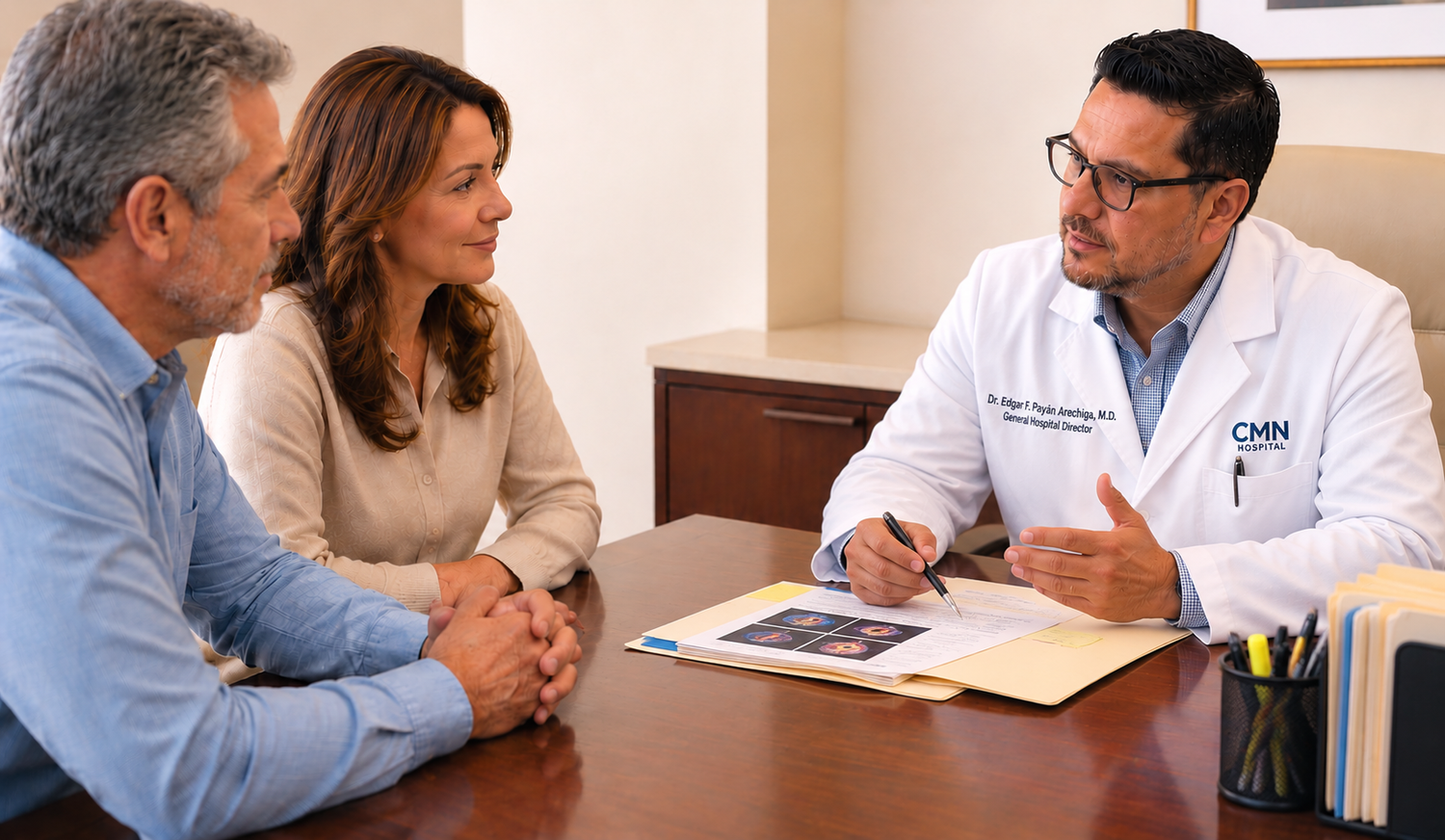
Your Individualized Treatment Plan
Dr. Edgar Payán understands that every patient's cancer journey is different. He personally reviews your medical history, previous treatments, and present health condition to develop a treatment protocol tailored to your individual needs. Throughout your 28-day inpatient stay at CMN Hospital, he and his medical team closely follow your progress, making adjustments to your care as appropriate. His approach combines careful medical attention with compassion, respect, and a genuine commitment to each patient's well-being. You will receive your care in the privacy of your own patient suite, with meals brought to you and physician care and registered nursing available 24 hours a day. If IV pain management is necessary, Dr. Edgar Payán provides this care. Laboratory testing and radiology and imaging are also available as needed during your stay.
Your Treatment Protocol
Guided by your diagnosis, condition, and clinical response

Some patients arrive feeling very weak or worn down by previous treatments. Wherever you are in your cancer journey, Dr. Edgar Payán and his medical team pay close attention to how you are feeling and what additional support you may need throughout your care.
Therapies, supportive treatments, frequency, and dosages may be adjusted according to your tolerance, laboratory findings, and clinical response. Patient safety is always Dr. Payán’s first priority.
Discussing Surgery as Part of Your Care
Some patients come to CMN Hospital for advanced integrative cancer treatment and also wish to explore surgery. Once admitted, you can consult with an oncologist, ask your questions, and discuss whether surgery may be appropriate for your condition, so you can better understand your options before making a decision.

Personalized Nutrition & Meal Planning
At CMN Hospital, your meal plan takes into account your nutritional needs, appetite, dietary preferences, and what you feel comfortable eating.
Dr. Edgar Payán’s medical evaluation and your laboratory findings help guide your nutritional care. Gael works with you to develop a meal plan that reflects those needs and your personal preferences, with adjustments throughout your stay.
Organic, non-GMO, gluten-free foods, and other dietary needs and preferences can be incorporated into your meals. Your dietary beliefs and choices are respected.
Your Nutritional Needs
Nutritionist & Culinary Team
Your meals are brought to you in the privacy of your suite. Gael and the culinary team welcome your feedback about what you enjoy, what is difficult to eat, and what you would prefer.
As your appetite and nutritional needs change, your meals can be adjusted. Supplemental nutritional shakes can be included when additional calories are needed.
You can discuss your preferences and concerns with Gael so your meal plan continues to reflect your needs during your stay.
