
Healing Science Breakthroughs
Exploring New Paths to Cancer Recovery

Vitamin C

If you want to speak with Dr. Payan at CMN Hospital please contact us.
Vitamin C is most widely known for its immune-stimulating properties, thus aiding in the body’s ability to defend itself against infections. Vitamin C is also “required for the synthesis of collagen, the intercellular ‘cement’ substance which gives structure to muscles, vascular tissues, bones, tendons, and ligaments. Due to these functions, vitamin C – especially in combination with zinc – is also important for the healing of wounds.”[1]
A brief summary of some of the ways in which Vitamin C benefits overall human health include:
Immune stimulation
Anti-allergic
Antioxidant
‘Cement’ for connective tissues
Wound healing
Teeth and gum health
Iron absorption
Eye health
Because it can assist the body in the above-listed ways, Vitamin C is extremely beneficial in maintaining overall health. Vitamin C can also work in ways that specifically attack cancer cells, thereby being a legitimate treatment for cancer patients.
Boosted Immunity for Cancer Patients
Because Vitamin C helps to strengthen the immune system, it is a natural aid that can benefit cancer patients greatly. For example, “environmental toxins damage cells and intracellular organelles leading to altered cellular metabolism and genetic mutations. Vitamin C has powerful antioxidant properties that protect against oxidative stress against the cell.” Vitamin C works to boost the immune system by specifically targeting “the immune cells. White blood cells depend upon vitamin C in order to survive and withstand the attack of pathogens and free radicals.”[2]
As such, “high doses of vitamin C are even more important when large cancerous growths already exist within the body. Oral vitamin C does not directly attack cancer but it helps to keep the immune system strong and empowers it to destroy cancer.” Thus, Vitamin C is an important supplement to make sure you are receiving enough of when you are receiving cancer treatment. However, introducing the body to a monitored excess of Vitamin C could have additional positive effects on fighting cancer.
A Step Further: Integrating Vitamin C into Cancer Treatments
Vitamin C has been used as cancer treatment, and the way in which it is administered is crucial in order to receive optimal results. For example, “most vitamin C therapies involve taking the substance orally. However, the UI [University of Iowa] scientists have shown that giving vitamin C intravenously -- and bypassing normal gut metabolism and excretion pathways -- creates blood levels that are 100 -- 500 times higher than levels seen with oral ingestion. It is this super-high concentration in the blood that is crucial to vitamin C's ability to attack cancer cells.”[3] Vitamin C performs in a way that further differentiates normal cells from cancer cells. This is because “cancer cells are much less efficient in removing hydrogen peroxide than normal cells. Thus, cancer cells are much more prone to damage and death from a high amount of hydrogen peroxide… This explains how the very, very high levels of vitamin C used in our clinical trials do not affect normal tissue but can be damaging to tumor tissue."
To explain further, “normal cells have several ways to remove hydrogen peroxide, keeping it at very low levels so it does not cause damage… An enzyme called catalase is the central route for removing hydrogen peroxide generated by decomposing vitamin C. The researchers discovered that cells with lower amounts of catalase activity were more susceptible to damage and death when they were exposed to high amounts of vitamin C,” therefore demonstrating how impactful vitamin C can be in combating cancer while simultaneously preventing further damage to the existing healthy cells.
Where to find Vitamin C
If you would like to incorporate more Vitamin C into your health routine, you can do so in several ways. Vitamin C is found in a variety of food sources, some of which include:[4]
Oranges or orange juice
Red or yellow bell peppers
Grapefruits or grapefruit juice
Kiwifruit
Spinach
Tomato juice
Brussel sprouts
Cantaloupe
Broccoli
Most people receive a proper amount of Vitamin C through a balanced diet that includes fruits and vegetables. However, if you do not, you can turn to Vitamin C supplements. As a note, always be sure to consult your doctor before making changes to your diet or health routine.
For More Information
Vitamin C is a crucial component of our overall health; it boosts our immune system and assists in other infectious-fighting functions. Cancer patients can especially benefit from additional Vitamin C consumption, through professionally administered treatments. To inquire about Vitamin C treatments, consult your physician or our medical team here; we are happy to assist you.
References
[1]“Vitamin C functions.” Quali-C.
[2]Dr. David Jockers. “The healing power of liposomal vitamin C.” Natural Health 365. 2013.
[3]“Why high-dose vitamin C kills cancer cells.” University of Iowa Health Care via Science Daily. 2017.
[4]“Health Benefits of Vitamin C and Best Natural Sources.” Global Healing Center.2016.

Body Movement

To schedule a video consultation with Dr. Payan at CMN Hospital please contact us.
It is well-known that exercise is imperative for maintaining your health: it keeps us at a healthy weight and lowers our risk for many diseases. Exercise gets our endorphins going, leading us to feel happier and more energetic. However, sometimes we don’t feel like exercising or don’t want to put excessive strain on our body; this is completely natural. Did you know there is still a way to move without feeling like you are doing a chore? Body movement, also known as a movement with body sense is a great way to feel good without engaging in strenuous activity.
What is body movement?
When it comes to body movement, it is not necessarily what you are doing, but how you are doing it. It’s about being mindful and enjoying the movement; your body is capable of so many different things, and this is about taking the time to appreciate what your body is doing for you. Rather than feeling restricted by a strict workout plan, body movement is all about doing what you love; the payoff is in the fulfillment and gratitude you will feel, not about working your body to the max. You move your body constantly throughout the day, but how often are you really thinking about it? This is the time to focus on that: appreciating how your hand works to grip your cup, enjoying all of the actions you take to cook a delicious dinner, or simply rolling around on the carpet with your children or grandchildren.
Attentive body movement is known to have positive effects on our health as well. For example, “bodily movement has long been employed as a foundation for cultivating mental skills such as attention, self-control or mindfulness, with recent studies documenting the positive impacts of mindful movement training, such as yoga and tai chi. A parallel “mind-body connection” has also been observed in many developmental disorders.”[1] Further, the time and attention spent on purposeful body movement can mirror some of the positive effects seen in exercise, including the release of endorphins. “Endorphins act as analgesics, which means they diminish the perception of pain. They also act as sedatives,” so this type of movement can help cancer patients experience less pain with minimal exertion of energy. [2]
Putting body movement into practice
There are many ways to get your body moving, especially now that you are no longer confined to vigorous or strict workout regimens! Here is a list, but feel free to add your own as well:
Go for a walk outside, taking time to enjoy the environment and nature around you
Stretch, focusing on your breathing throughout
Dance – any kind that you prefer, or what fits your mood at the time
Play with children
Cook a meal, putting care into each step of the recipe
Gardening – no matter how large or small your garden may be
Aerobics – modify to whatever level you feel most comfortable with
What is important is that you are moving, staying mindful, and aware of all that your body is capable of. Let this be a time to let your creativity and passion shine; you are in control and should not feel limited in any way! Your body is capable of so much, and this is an opportunity to embrace that.
Final Thoughts
CMN Hospital provides alternative cancer treatment is available for to communicate and work with you: to contact us, email us at info@cmnact.com or click here to contact us at your convenience.


Healing Old Wounds

To schedule a video consultation with Dr. Payan at CMN Hospital please contact us.
We have a tendency to discount our feelings, to put others before ourselves even when we are extremely hurt, and to bury problems we may have rather than deal with them fully. As such, it can be hard to move on from issues that are still lingering below the surface.
Your cancer journey is not just centered on physical improvement, although there is a general emphasis on treatments that physically attack the cancer in your body. Your cancer journey also includes emotional growth and mental wellbeing. As such, part of your emotional treatments involves healing from old wounds. This means that you should take time to self-reflect: what is really bothering me? What have I pushed aside for far too long, when the situation still hurts? This is the time to bring all of that back to the surface, with the intention of sifting through it all to reach conclusions, learn your lessons, and then move on from it, leaving it all in the past to ensure a brighter future and a more content sense of the present. Although it may hurt and take time, this action is a natural part of human development, it is tremendously worthwhile.
The Scientific Behind Old Wounds
The trauma of old wounds, which are sometimes referred to as ‘grudges,’ has been scientifically found to literally weigh you down. For example, Xue Zheng of Erasmus University conducted an experiment where he asked “160 undergrads to write about a time they’d experienced a conflict. Some were instructed to reflect on a time when they didn’t forgive the offender, others were told to think about the time they did forgive the person, and a third group wrote about a comparatively dull social interaction… they were then given a small physical challenge: jumping five times, as high as they could, without bending their knees. The results suggest that the “weight” of carrying a grudge may be more than just a metaphor: Students who’d been primed to think about a time they forgave someone jumped the highest.”[1] If the weight of old wounds is physically measurable, can you imagine how much of a toll they could be taken on your emotional and mental outlook? The answer is too much.
How to Heal
In order to heal from emotional wounds, we must first recognize the situation for what it is; we must look at it with an unbiased eye and absorb all that we can from the situation. Further, we should“accept and love all parts of our experiences and recognize the value they offer. All of this is so we may move toward embracing the whole of self. That means moving away from judgment about good or bad experiences. It means we have to move away from the mindset that says feeling good, and being happy are the only experiences worth having.”[2]Taking the time and effort to revisit old wounds in order to heal from them is not fun; some may see it as a negative experience for bringing up hurt feelings. However, that is the superficial view; in order to be our best self, we have to be our complete self, and this means fully healing and moving on from our past.
It is also important to express self-love; don’t be too hard on yourself, for either letting the pain linger on for too long or for mistakes you have made in your past. The decision to heal from old wounds is a big one, and “this is a process, not a race. Many of us have layers to uncover to heal the wounds in our space. We can only do as much as we can do. That is enough.”
While there is no one-size-fits-all answer for how to heal from lingering emotional wounds, it is important to take as much time as necessary to fully realize the situation, come to your best conclusions, make the decision to heal, and move on, and then let your actions follow suit. As part of your healing process, you may have to forgive others, which is not always an easy feat. To learn more about forgiveness, the science behind it, and tips for forgiving, click here.
Final Thoughts
Recognize that your emotional and mental healing is just as important as your physical treatments during your cancer journey. One way in which to enlighten yourself, and then feel literally lighter, is to emotionally heal from old wounds. This is no easy task, and often requires us to reflect on harder times that are unpleasant; however, learning to become completely vulnerable and transparent with ourselves in order to heal is so empowering. It’s a tool that puts you in charge of reconciling with your past in order to be presently aware and open for your future.

References

Vitamin K

If you want to speak with Dr. Payan at CMN Hospital please contact us.
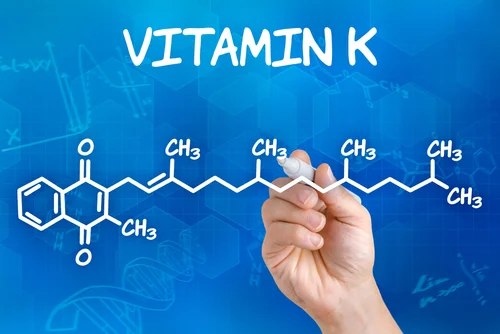
A brief summary of some of the ways in which Vitamin K benefits overall human health include: [1]
Protects bones and decreases the risk of osteoporosis
Prevent arterial calcification
Helps blood clot properly
Enhances connective elastin in the skin
Reduces cancer risk
Because it can assist the body in the above-listed ways, Vitamin K is extremely beneficial in maintaining overall health. Vitamin K is known to reduce the risk of cancer, but it also works in ways that specifically attack cancer cells, thereby being a legitimate treatment option for cancer patients.
Vitamin K’s Anti- Cancer Profile
One function that is unique to Vitamin K is known as oncosis, which is “a form of stress-activated ischemic cell death to which tumor cells are particularly susceptible. Because of their high growth rate, tumor cells consume vast amounts of glucose. And because they can rapidly outgrow their blood supplies, that high metabolism means they use up oxygen rapidly, making them especially vulnerable to oxidant stress—much more so than the healthy tissues around them. Vitamin K targets tumor cells for destruction by stimulating oxidative stress, without toxicity to healthy tissues.” [1]
Vitamin K is also proficient in a process called autophagy, which occurs when “cancer cells essentially ‘eat’ themselves by releasing their own digestive enzymes internally. By still another unique mechanism, vitamins C and K in combination contribute to cancer cell death by autoschizis, whereby cells simply split open, spilling their contents.”
Lastly, new research reveals three more of vitamin K’s abilities in fighting cancer. These functions include how “Vitamin K3 inhibits DNA-building enzymes. Vitamins K2 and K3 block new blood vessel formation essential to support the rapid growth of tumor tissue… [and] vitamin K3 disrupts crucial intracellular communications networks composed of microtubules, preventing the cells from proliferating in a coordinated fashion.”2
What Studies are Revealing
Vitamin K has been studied it has been “suggested that vitamin K2 could serve as a potent anti-cancer treatment” in ovarian cancer, leukemia, and breast cancer cell lines.[3]
Vitamin K has also been measured for its effect on breast cancer, the second most common type of cancer in the United States. In one study, the antitumor activities of vitamin K1, K2, and K3 were compared against a panel of human cancer cell lines, and vitamin K2 was less potent than vitamin K3,” thus reinforcing how impactful Vitamin K is for reducing the risk of cancer diagnosis.[4] A different, non-related study “of three cancer cell lines that were resistant to radiation [revealed that] vitamin K2 restored sensitivity to radiation treatment and also inhibited the growth of cancer cells in breast cancer lines, as well as in lung and colon cancers.
The research on Vitamin K and its measurable impact on cancer is growing, with more results that reinforce the same conclusions being published frequently. As such, Vitamin K is an important nutrient to make sure you are receiving regularly as part of your balanced diet.
Where to find Vitamin K
It is generally recommended that “the daily intake for vitamin K, in all forms, is 120 micrograms for men and 90 micrograms for women.”[5] As such, integrating foods rich in Vitamin K to your diet is crucial. If you would like to incorporate more Vitamin K into your health routine, you can do so in several ways. Firstly, Vitamin K is found in a variety of food sources, some of which include: [6]
Kale
Brussel sprouts
Cabbage
Broccoli
Prunes
Fermented dairy
Cucumbers
Dried basil
Olive oil
Most people receive a proper amount of Vitamin K through a balanced diet that includes rich, green leafy vegetables. However, if you do not, you can turn to Vitamin K supplements. As a note, always be sure to consult your doctor before making changes to your diet or health routine.
For More Information
Vitamin K is a crucial component of our overall health, as it assists the body in a variety of ways. Cancer patients can especially benefit from additional Vitamin K consumption. To inquire about Vitamin K treatments or how to make sure you are ingesting proper amounts, consult your physician. You can also contact our medical team here; we are happy to assist you.
References
[1]“Top 5 Vitamin K Benefits and the Best Sources.” Health Ambition.
[2]DiFara, Felix. “The Remarkable Anticancer Properties of Vitamin K.” LifeExtension. 2010.
[3]“Vitamin K: Is There Anything It Can’t Do?” Jeffrey Dach MD.2014.
[4]“Published Research – Vitamin K and Cancer.” Vitamin K All-Natural.
[5]“Higher vitamin K intake tied to lower cancer risks.” Health News. 2010.
[6]“Top 10 Vitamin K Rich Foods.” Dr. Axe Food and Medicine.
FDA Drug Approval
To schedule a video consultation with Dr. Payan at CMN Hospital please contact us.
One question we often receive, especially from prospective American patients, is about how we offer treatments that are not approved by the Food and Drug Administration (FDA), a federal agency of the United States. We want to utilize this blog to explain the process that the FDA uses to approve drugs and treatments, as well as why we offer treatments that are not FDA approved.
The Food and Drug Administration (FDA)
While the FDA's non-approval of a treatment doesn't automatically imply its danger, it's important to note that some of our treatments are still undergoing the approval process. This means they haven't been outright rejected or disapproved. At CMN, we prioritize compassionate care and would never compromise a patient's safety or well-being by administering, prescribing, or suggesting anything that could be detrimental.
The FDA, or Food and Drug Administration can be traced back to 1862 when it was composed of a “single chemist in the U.S. Department of Agriculture.”[1] Currently, the FDA is responsible for a “staff of approximately 15,000 employees and a budget of $4.4 billion in 2014, comprising chemists, pharmacologists, physicians, microbiologists, veterinarians, pharmacists, lawyers, and many others.”1The FDA has various responsibilities, which include regulating tobacco products, assuring that most foods (excluding those looked after by the U.S. Department of Agriculture) are labeled correctly and safe for consumption, and, most importantly, “ensuring that human and veterinary drugs, and vaccines and other biological products and medical devices intended for human use are safe and effective.”[2]
The FDA has a lengthy and detailed process that all medical companies must follow in order to gain approval, or clearance, for public consumption. This process is somewhat antiquated, as it has struggled to keep up with the rapid advancements that modern technology has brought us.
The Approval Process
The approval, or clearing, process for new drugs, devices, or treatments is extremely length and expensive. Currently, “it takes on average 12 years and over US$350 million to get a new drug from the laboratory onto the pharmacy shelf. Once a company develops a drug, it undergoes around three and a half years of laboratory testing, before an application is made to the U.S. Food and Drug Administration (FDA) to begin testing the drug in humans. Only one in 1000 of the compounds that enter laboratory testing will ever make it to human testing.” [3]
Courtesy of the Independent Institute, this infographic details the average process for FDA approval. This is the average for the approval process; oftentimes, it takes much longer to clear a drug or treatment for use because the FDA can come back with conditions or criteria that must be met before the course can continue; such conditions may take years.
“For example, the FDA might request a postmarketing, or phase 4, study to examine the risks and benefits of the new drug in a different population or to conduct special monitoring in a high-risk population. Alternatively, a phase 4 study might be initiated by the sponsor to assess such issues as the longer- term effects of drug exposure, to optimize the dose for marketing, to evaluate the effects in pediatric patients, or to examine the effectiveness of the drug for additional indications.” [4]
The FDA approval process has recently come under criticism for its extensive timeline; “there has been a push among lobbyists representing device manufacturers to streamline the lengthy FDA approval process,[3] arguing that the USA will lose its ability to compete globally due to the excessive costs and delays in obtaining FDA approval.”[5] While people may feel protected or a sense of extra security by requesting treatments that are specifically FDA approved, it is important to recognize that there may be updates, newer versions, or more modernized advancements that are not yet available for use because they are still in queue or the process of being approved. Technology is advancing rapidly – as it has been over the past several years – and the current FDA model is not equipped to deal with such frequent advancements, and as such, it is difficult for treatments or medicines to be approved in a timely fashion.
Even if approved, the time before which patients can begin to use the newly approved device, medicine, or treatment is still delayed even further, due to insurance regulations. New treatments need to be studied to see where it will fit in patients’ insurances, and whether or it not it is even worth the liability exposures to be included on insurance plans. Time is of the essence when one is faced with a medical predicament, especially if it is an emergency, and the time it takes for the FDA and insurance agencies to approve new advancements are often not sensitive to this.
Further, it is worth noting that although the FDA is a certifiable agency, it is not flawless.
For example:
“the oversight of device innovation and the approval process has been criticized recently due to several notable device 'failures' that have been linked to patient harm. These devices were approved for use through FDA humanitarian device exemption (HDE) or 510(k) processes, which do not require randomized controlled trial evidence demonstrating safety and effectiveness prior to approval. Unfortunately, such failures are certainly not new. Between 2005 and 2009 nearly 700 voluntary recalls of devices occurred per year, and the vast majority of these were class II recalls, defined as technologies that could result in 'temporary or medically reversible adverse health consequences'. The failure of these processes to detect potentially harmful devices before their release onto the US market has led to a strong backlash, by both physicians and the public at large, against the current regulatory processes in place through which such technologies are approved for use.”
While the FDA deserves respect for establishing regulatory standards acknowledged by health agencies globally, it is not the ultimate authority in the realm of cancer treatment. Prompt action is crucial for effective cancer treatment and integrating innovative therapies into medical facilities. How does this affect CMN, and how will this impact my treatments at CMN?
The Food and Drug Administration, or FDA for short, is an American federal agency; its rulings, approvals, and statements apply specifically to the United States and its other territories. As such, the FDA does not control what treatments are carried out or what prescriptions are prescribed at CMN Hospital, located in Northern Mexico. Nevertheless, the treatments we offer have undergone rigorous testing and protocols to ensure that they are safe for people to utilize as alternative cancer treatments.
Contact Us
CMN is an alternative cancer treatment hospital that aims to serve our patients with the highest levels of transparency, comfort, respect, and compassionate care. We are located in Mexico, sixteen blocks from the Mexico- United States border, and are able to offer treatments that have yet to be approved by the FDA that are considered to be highly advanced, innovative, and cutting edge in the field of cancer treatment. To get in touch with us and discuss coming to CMN, you can contact us here or email us at info@cmnact.com.
References
[1]Swann, John P. Ph.D. “FDA’s Origins.” U.S. Food and Drug Administration.
[2]“What does FDA do?” U.S. Food and Drug Administration.
[3]“New Drug Approval Process.” Drugs.
[4]Lispky, Martin S. MD. et. al. “From Idea to Market: The Drug Approval Process.” Medscape.2001.
[5]Fargen, Kyle M. et. al. “The FDA Approval Process for Medical Devices.” Medscape. 2013.
Calcium

To schedule a video consultation with Dr. Payan at CMN Hospital please contact us.
Calcium is the “most abundant metallic element in the human body, 99 percent of which can be found in our bones and teeth (about 2 lbs. of it!).” [1] The remaining 1 percent of calcium can be found in the blood and other tissues.” [2] Calcium is a mineral found in our body most often known for keeping our bones strong. More specifically, calcium is known to [3]
Help blood vessels and muscles work properly.
Help release hormones and enzymes that keep your body working properly.
Help your nerves carry messages throughout your body.
Help control important nutrients, such as magnesium, phosphorus, and potassium.
Calcium is crucial in maintaining a homeostatic level of health; this mineral has also been researched in relation to cancer, specifically breast cancer.
Calcium and Breast Cancer
Some scientific studies have discovered a link between calcium and vitamin D levels and their relationship with breast cancer. For example, a 2009 study found that:
“a low vitamin D status and inadequate calcium intake are important risk factors for various types of cancer. Ecological studies using solar UV-B exposure as an index of vitamin D3 photoproduction in the skin found a highly significant inverse association between UV-B and mortality in fifteen types of cancer. Of these, colon, rectal, breast, gastric, endometrial, renal and ovarian cancer exhibit a significant inverse relationship between incidence and oral intake of calcium.”[4]
What this means is that the lack of sufficient amounts of calcium and vitamin D were revealed to have increased the risk for certain cancers, including breast cancer. One conclusion drawn from this study is that supplementation (which ensures a person receives adequate amounts of each) of calcium and vitamin D “is required for optimal chemoprevention of cancer.”
A second, independent study conducted took place in the form of a randomized trial found:
“that included nearly 1,200 healthy, postmenopausal Nebraska women, individuals were randomly assigned to receive daily calcium supplementation alone (300–600 mg elemental calcium), calcium supplementation (300–600 mg elemental calcium) combined with vitamin D supplementation (1000 IU), or a placebo for 4 years. The incidence of all cancers combined was approximately 60 percent lower for women who took the calcium plus vitamin D supplements compared with women who took the placebo. A lower risk of all cancers combined was also observed for women who took calcium supplements alone, but this finding was not statistically significant.” [5]
This study, although unrelated to the first mentioned, further supports that adequate amounts of calcium, whether absorbed naturally through a rich diet or supplements, helps to reduce the risk of cancer, specifically breast cancer. Therefore, it is important that you receive calcium daily and on a regular basis; this is most commonly done through a balanced diet, although supplements are also readily available.
Integrating Calcium in Your Diet
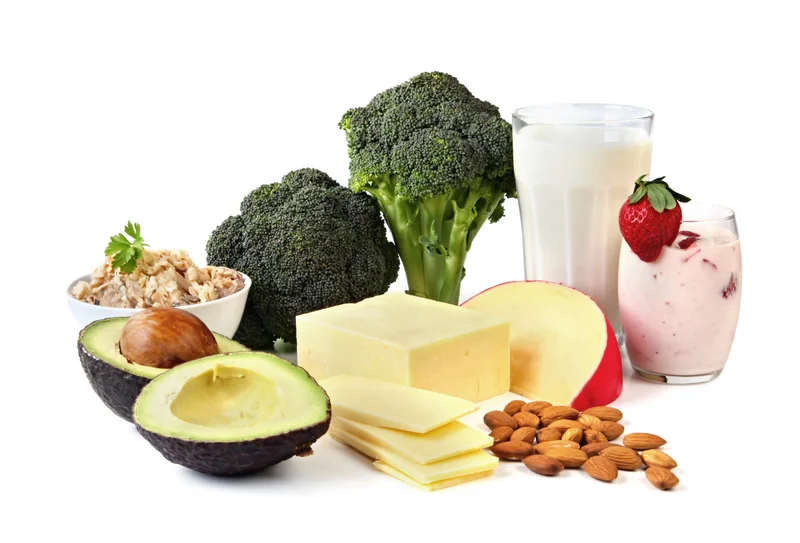
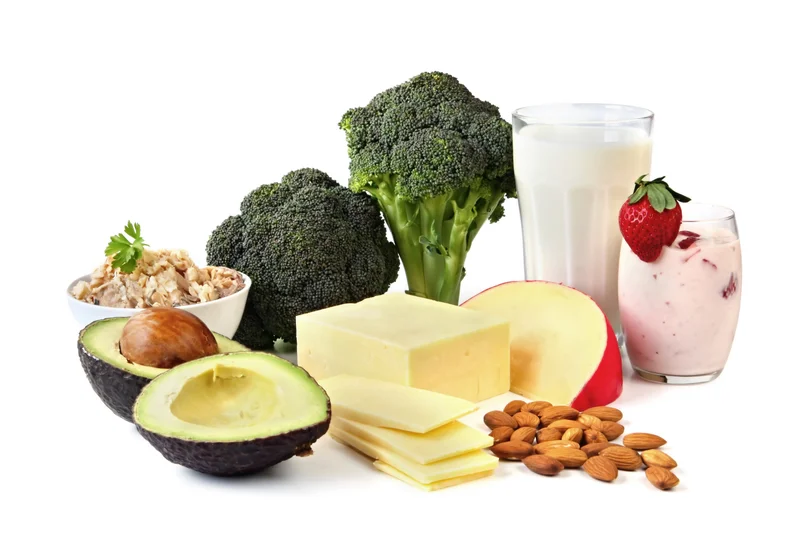
Calcium is most frequently absorbed into the body through the foods we eat, including dairy products. It is important to eat calcium-rich food on a regular basis because “each day, we lose calcium through our skin, nails, hair, sweat, urine, and feces, but our bodies cannot produce new calcium.”[6] Our body usually restores its calcium levels naturally, through our diet. Calcium is found in a variety of food sources, some of which include: [7]
Plain or fruit yogurt
Mozzarella
Sardines
Cheddar cheese
Milk (whole, non-fat, reduced-fat, buttermilk, or soy)
Orange juice
Tofu
Salmon
Cottage Cheese
Fortified cereal
Kale
Broccoli
It is important to note that “Vitamin D is key to absorbing and using calcium;” therefore it is crucial that you are also receiving adequate amounts of Vitamin D. [8] To learn more about Vitamin D, click here.
Most people receive enough calcium through a balanced diet that includes dairy and greens, especially if their Vitamin D levels are optimal. However, some people integrate supplements into their diets as well because “if your body doesn’t get enough calcium and vitamin D to support important functions, it takes calcium from your bones. This is called losing bone mass. Losing bone mass makes the inside of your bones become weak and porous,” increasing the risk of developing osteoporosis.6This is more common among postmenopausal women, those that are lactose intolerant or avoid dairy products, and vegans (who avoid all animal products and by-products). Should you want to learn more about integrating calcium-rich foods or calcium supplements into your diet, consult your doctor or physician.
For More Information
Calcium is a crucial component of our overall health; it strengthens our bones and helps our body absorb other key nutrients such as magnesium. Most balanced diets contain adequate levels of calcium, especially if you are receiving proper amounts of Vitamin D. To inquire about integrating calcium into your diet, consult your physician. You can also contact our medical team here; we are happy to assist you.
References
[1]Pedersen, Traci. “Facts About Calcium.” LiveScience.2016.
[2]“Calcium: What’s Best for Your Bones and Health” Harvard T.H. Chan, School of Public Health.
[3]“Calcium: What You Need to Know.” Family Doctor.
[4]Peterlik, M. and WB Grant. “Calcium, vitamin D and cancer.” NCBI.2009.
[5]“Calcium and Cancer Prevention.” National Cancer Institute.
[6]“Calcium/ Vitamin D.” National Osteoporosis Foundation.
[7]“Calcium.” National Institutes of Health.
[8]“Calcium.” Dr.Weil.
Vitamin D

To schedule a video consultation with Dr. Payan at CMN Hospital please contact us.
Vitamin D is an important component of the human diet and maintaining overall health. It is unique from other vitamins in that “your body can make its own vitamin D when you expose your skin to sunlight,” and it cannot work to make other vitamins, such as Vitamin C or Vitamin K. A brief summary of some of the ways in which Vitamin D assists the body in ways that help to maintain overall health include:
Immune system, which helps you to fight infection
Muscle function
Cardiovascular function, for a healthy heart and circulation
Respiratory system, for healthy lungs and airways
Brain development
Anti-cancer effects
Further, Vitamin D helps to absorb calcium, which then “helps build bones and keep bones strong and healthy.”[1] Vitamin D is also uniquely important in that it works to “block the release of parathyroid hormone. This hormone reabsorbs bone tissue, which makes bones thin and brittle.”1As such, Vitamin D is crucial for carrying out many different functions throughout the body, not just in one particular aspect. However, Vitamin D has also been studied in relation to cancer, and the results are impactful.
Vitamin D and Breast Cancer
Several studies have found that Vitamin D can help reduce the risk of breast cancer. For example, a:
“study published in 2005 examined the relationship of plasma vitamin D metabolites to breast cancer risk in a cohort of women enrolled in the Nurses’ Health Study. Blood samples were collected from study participants from 1989 to 1990 and analyzed for the vitamin D metabolites 25-hydroxyvitamin D and 1, 25-dihydroxy vitamin D. The study participants were followed until 1996. The researchers then compared blood samples from women who developed breast cancer with samples from cancer-free control subjects. High levels of both vitamin D metabolites were associated with a non-significantly lower risk of breast cancer. For both metabolites, the association was stronger in women aged 60 and older.” [2]
Further, “mammographic density is considered a strong risk factor for breast cancer. Dietary intake of vitamin D and calcium was assessed in a group of women, aged 40-60, who had screening mammograms. Women who had a combined daily intake of 100 IU or more of vitamin D combined with 750 mg or more of calcium demonstrated decreased breast density compared to women with lower intakes of the two nutrients. This suggests that adequate consumption of vitamin D and calcium may reduce breast cancer risk by influencing breast tissue architecture.”2While research is still developing, the above-cited sources provide a good reason for including Vitamin D in our diet and making sure we are receiving enough of it on a regular basis.
Where to find Vitamin D
While Vitamin D is commonly referred to as the ‘sunshine vitamin,’ the sun is not an adequate source of Vitamin D alone. This partially has to do with time and geography, as"the sun is not strong enough for the body to make vitamin D from October to May, especially for those living north of Atlanta," says Althea Zanecosky, RD, a spokesperson for the American Dietetic Association.[3] Therefore, it is important to find other ways to obtain ample amounts of Vitamin D. You can incorporate Vitamin D into your diet through many sources, some of which are natural and others that are fortified. Some of the natural sources of Vitamin D include:
Wild-caught fish
Beef or calf liver
Egg yolks
Canned fish
Shiitake mushrooms
Vitamin D can also be obtained through fortified sources; be sure to check the labels to see how much Vitamin D is found in each product, as it may vary.
Fortified sources of Vitamin D include:
Milk (whole, nonfat, or reduced-fat)
Yogurt
Almond milk
Orange juice
Fortified tofu
Oatmeal
Cheese
Margarine
As a note, always be sure to consult your doctor before making changes to your diet or health routine.
For More Information
Vitamin D is a crucial component of our overall health; it helps to assist the body in numerous functions, including its ability to absorb calcium and carry out brain functions. While you may think you’re receiving adequate amounts of Vitamin D through your time spent outdoors, that is most likely not the case, especially if you wear proper sunscreen. Therefore, it is important to make sure you receive this special vitamin through other avenues, such as through your diet. To further inquire about incorporating Vitamin D into your diet and lifestyle, consult your physician. You can also contact our medical team here; we are happy to assist you!

References

Self-Blame and Cancer

Self-Blame and Cancer: Freeing Yourself from Guilt
To schedule a video consultation with Dr. Payan at CMN Hospital, please contact us at 1-844-371-1117.
One of the first questions patients usually think to themselves when they are diagnosed with cancer is, “Why me?” Some patients then take time to think about their medical history and the decisions they have made in their life, questioning their every move, thinking they may have been able to prevent their diagnosis. This is normal and natural, and something we see frequently. However, it is a dangerous way of thinking that often leads to self-blame. You are not responsible or at fault for your cancer diagnosis. Today, we are going to dive into the research that explores the self-blame phenomenon and give you tips for redirecting your blame, freeing you from undeserving guilt or emotional grief.
The Science Connection: Self-Blame and Cancer
Researchers have spent a lot of time analyzing the connection between self-blame and cancer diagnoses, specifically breast cancer diagnoses. One study analyzed the “associations between self-blame and anxiety and depression symptoms in a sample of 76 women with breast cancer were investigated. At diagnosis, behavioral self-blame was associated with increased distress... These data indicate that behavioral self-blame is a correlate of concurrent affective symptoms, whereas characterological self-blame predicts increased distress over time.” This study shows how significantly affected women can be by their diagnoses, particularly in relation to self-blame.
Even medical professionals themselves deal with self-blame and targeted blame as a result of their cancer diagnoses. For example, Larry Lachman, a clinical psychologist diagnosed with prostate cancer, faced similar blame from practitioners. This response shows how deeply ingrained the phenomenon of self-blame can be, even among medical professionals.
Unfortunately, no one is exempt from potentially being blamed for their cancer diagnoses. Living in a society that increasingly focuses on solutions and immediate fixes often leaves people feeling at fault. However, it’s important to remember that cancer is not entirely preventable, even for the healthiest individuals.
You Are Not at Fault: Tips for Redirecting Blame
You are not to blame for your cancer diagnosis, but because scientific research supports the claim that most people tend to feel some degree of self-blame once they are diagnosed, here are three crucial steps you can take toward freeing yourself from unwarranted guilt:
1. Reframe What You Should Do. It’s easy to look back after a big life event and think about what you could have done differently. Instead, change your phrasing: focus on the present and what you can do now. You cannot change your past, but you are actively shaping your future. This mental shift can help you regain control of your current life situation.
2. Look at the Big Picture. Perspective is crucial. Every situation, even difficult ones, can teach us valuable lessons. Recognizing that setbacks can be part of a bigger plan helps reduce pressure and self-blame. Focus on what this experience can teach you and how you can grow from it.
3. Trust Yourself. You know yourself best. Even after a cancer diagnosis, you are still in control of many decisions regarding your treatment and care. Let go of self-doubt and trust in your ability to navigate your journey to recovery with strength and confidence.
Contact Us
You are not to blame for your cancer diagnosis. You are a cancer warrior, and you deserve the best treatment possible. CMN Hospital offers comprehensive, alternative cancer treatment plans designed to support your physical, mental, and emotional healing. To get in touch with us and discuss your care options, contact us here.

References
[1]Glinder, JG and BE Compas. “Self-blame attributions in women with newly diagnosed breast cancer: a prospective study of psychological adjustment.” NCBI.1999.
[2]Huff, Charlotte. “A Sick Stigma.” Slate.2013.
[3]Kaiser, Shannon. “Stop Blaming Yourself for Everything in 3 Easy Steps.” Huffington Post.2014.